When you’re planning a concrete project in Denver, you might not realize just how important permits and local codes are to your success. These regulations aren’t just bureaucratic hurdles; they’re designed to ensure safety and quality in your work. By understanding the specific requirements and navigating the permit application process, you can avoid costly delays and enhance your property’s value. But what happens if you overlook these details? The implications could be significant, and it’s worth considering how compliance can shape the outcome of your project.
Importance of Permits in Denver
When it comes to concrete work in Denver, understanding the importance of permits can’t be overstated. Securing the right permits ensures your project complies with local regulations, protecting you from costly fines or legal issues.
Without proper permits, you risk having to redo work or face delays, as inspectors may halt your project. A permit also signifies that your work meets safety standards, which is crucial for both residential and commercial projects.
Plus, having the correct permits can enhance your property’s value. So, before you start mixing concrete, take the time to research and apply for the necessary permits. It’ll save you headaches down the road and help ensure your project runs smoothly from start to finish.
Overview of Local Building Codes
Understanding local building codes is just as important as securing the right permits for your concrete project. These codes set the standards for safety, accessibility, and structural integrity, ensuring your work meets city regulations.
In Denver, you’ll encounter specific requirements regarding material types, design specifications, and installation methods. Familiarizing yourself with these codes can help you avoid costly mistakes or delays.
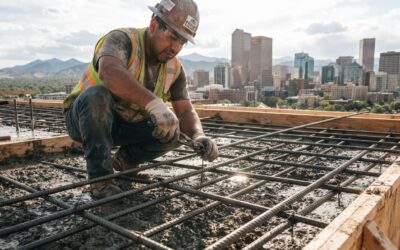
For instance, codes may dictate the thickness of concrete slabs or the necessary reinforcements for different applications. When you adhere to these guidelines, you not only comply with local laws but also protect the longevity of your project.
Types of Concrete Projects Requiring Permits
Concrete projects aren’t just about mixing and pouring; they often require permits to ensure compliance with local regulations.
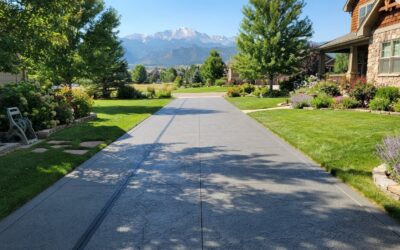
If you’re planning to pour a new driveway, build a patio, or construct a retaining wall, you’ll likely need a permit. Larger projects like foundations for homes or commercial buildings definitely require permits, as do any alterations to existing structures.
Even decorative concrete work, such as stamped driveways, can necessitate approval. It’s crucial to check with your local building department to understand specific requirements for your project.
Skipping this step might lead to fines or having to tear down your work. Always stay informed to ensure a smooth and legal concrete project in Denver.
Common Permit Application Process
Before you dive into your concrete project, it’s essential to familiarize yourself with the common permit application process in Denver.
First, you’ll need to determine whether your project requires a permit based on its scope. Once you’ve established that, gather the necessary documents, including site plans and project specifications.
Next, complete the permit application form available on the city’s website. You’ll submit this form, along with your documents, to the Department of Community Planning and Development.
After submission, expect a review period where city officials may request additional information or revisions. Be prepared for possible inspections during and after the project.
Consequences of Non-Compliance
Failing to comply with local codes and permit requirements can lead to serious consequences for your concrete project in Denver.
You might face hefty fines that can quickly add up, impacting your budget. Additionally, non-compliance may result in work stoppages, delaying your project and causing frustration.
If the city discovers violations, you could be required to redo or even demolish completed work, leading to more costs and time lost. Your property value might also suffer if the work isn’t up to code, making future sales difficult.
Ultimately, adhering to local regulations not only keeps your project on track but also protects your investment and ensures safety for you and your neighbors.
Don’t overlook the importance of compliance!
Frequently Asked Questions
How Long Does It Typically Take to Obtain a Concrete Permit in Denver?
It usually takes about two to four weeks to obtain a concrete permit in Denver.
You’ll need to submit your application, pay fees, and possibly address any revisions the city requests during the process.
Are There Specific Permits for Decorative Concrete Work?
Yes, there are specific permits for decorative concrete work.
You’ll need to check local regulations, as requirements can vary.
It’s essential to ensure your project complies with all codes to avoid potential issues.
Can I Apply for a Permit Online in Denver?
Yes, you can apply for a permit online in Denver.
Just visit the city’s official website, fill out the required forms, and submit any necessary documents.
It’s a straightforward process, making your project easier.
What Fees Are Associated With Concrete Permits in Denver?
When you apply for concrete permits in Denver, you’ll encounter various fees, including application, inspection, and potential impact fees.
It’s essential to check the city’s website for the most current fee schedule.
How Can I Appeal a Denied Permit Application?
To appeal a denied permit application, you’ll need to review the denial reasons, gather supporting documents, and submit a formal appeal to the appropriate authority.
Don’t forget to meet any deadlines specified in the denial notice.
Conclusion
In Denver, understanding permits and local codes is essential for your concrete projects. By securing the right permits and following regulations, you not only ensure safety and quality but also protect your investment and property value. Skipping these steps can lead to costly fines and project delays, so it’s worth the effort to stay compliant. Ultimately, adhering to these guidelines fosters a smoother construction experience and keeps your neighborhood safe and thriving.