by Maggie Jovanova | Aug 8, 2026 | Blog
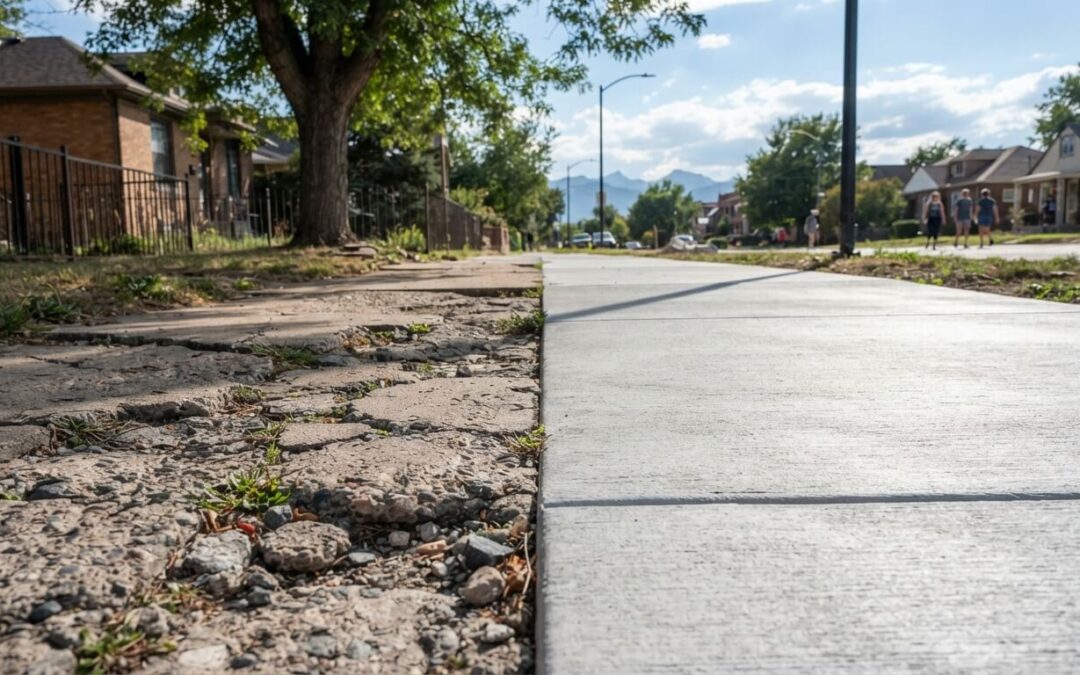
If you notice small cracks or surface flaking in your concrete in Denver, it can often be repaired. However, larger cracks, uneven surfaces, or sinking areas usually indicate that replacement is necessary to guarantee safety and durability. Factors like the age of the...
by Maggie Jovanova | Aug 1, 2026 | Blog
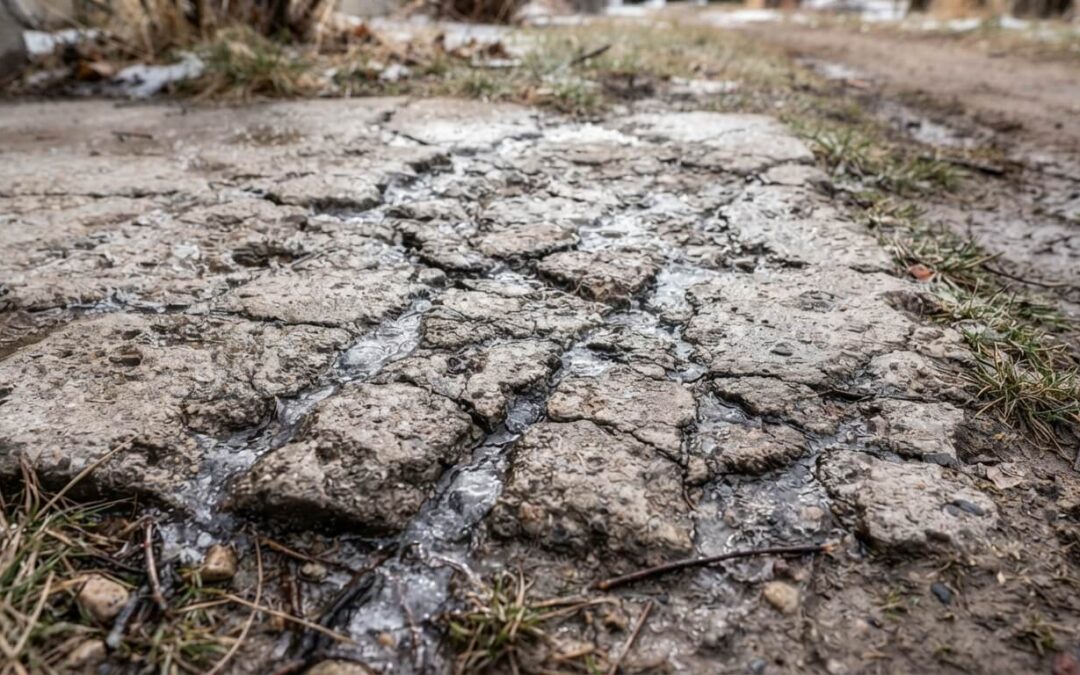
In Denver, freeze-thaw cycles pose a serious threat to your concrete structures. The fluctuating temperatures around freezing cause water to infiltrate, expand, and create cracks. Over time, these cracks worsen, leading to spalling and deterioration. The high...
by Maggie Jovanova | Jul 25, 2026 | Blog
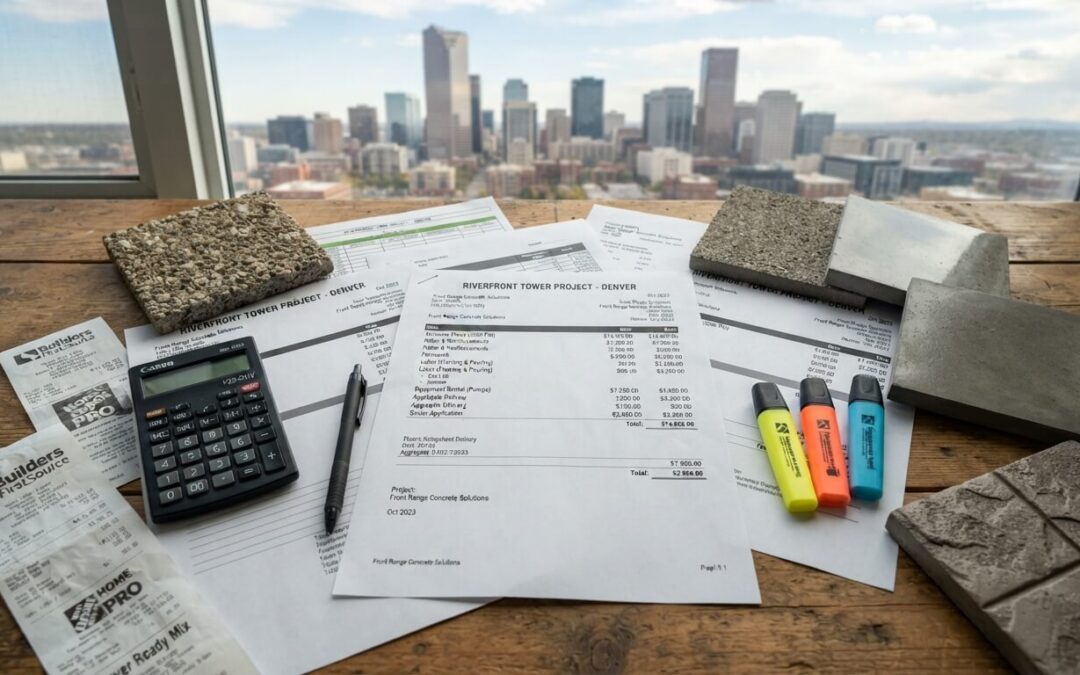
When you’re planning a concrete project in Denver, you’ll pay for materials like cement and aggregates, which can vary widely in price. Labor expenses can range from $50 to $100 per hour, especially if you hire skilled workers. Don’t forget to factor in...
by Maggie Jovanova | Jul 18, 2026 | Blog
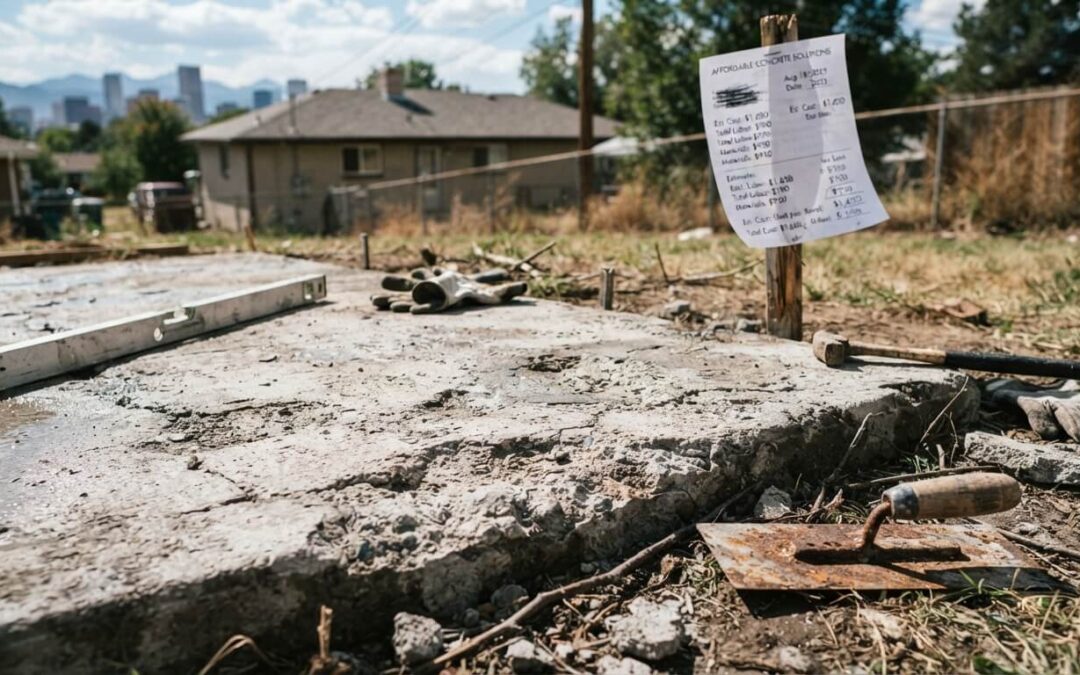
When you encounter cheap concrete estimates in Denver, watch for hidden red flags. A lack of detailed project specifications can lead to misunderstandings and unexpected costs. Unusually low labor costs might indicate unqualified workers, risking quality and safety....

by Maggie Jovanova | Jul 11, 2026 | Blog
Before hiring concrete contractors in Denver, ask them about their experience with similar projects and verify if they’re licensed and insured. Request references from previous clients to understand their reliability. It’s important to discuss the project...

by Maggie Jovanova | Jul 4, 2026 | Blog
To install concrete in Denver, start with site preparation and planning by checking local regulations and gathering tools. Next, excavate and grade your area to the correct depth for drainage. After that, install formwork, ensuring it’s level and secure. Once...

Recent Comments