When you embark on a concrete project with Denver contractors, it’s essential to understand the structured timeline and phases involved. You’ll start with an initial consultation where you’ll outline your goals and budget. Then, site preparation kicks in, laying the groundwork for what’s to come. Once the concrete is poured, the real transformation begins, but it doesn’t end there. Curing is crucial for strength, and the final touches are what truly make the project shine. Curious about what each phase entails and how long it might take?
Initial Consultation and Planning
When you kick off a concrete project, the initial consultation and planning phase is crucial for setting the right foundation. During this stage, you’ll discuss your vision and needs with your contractor. You’ll want to be clear about the project’s goals, budget, and timeline. This is the time to ask questions and voice any concerns, as open communication ensures everyone’s on the same page.
Your contractor will assess the site and provide recommendations based on your specifications. Together, you’ll explore design options, materials, and potential challenges.
Site Preparation
Before the concrete is poured, effective site preparation is essential to ensure a strong and stable foundation.
You’ll start by clearing the area of any debris, vegetation, or existing structures that might interfere with the project.
Next, you’ll need to grade the site, ensuring it’s level and properly sloped for drainage. This step helps prevent water pooling, which can damage your concrete over time.
After grading, compacting the soil is crucial for stability; this minimizes settling and shifting. If necessary, you might also install a gravel base for added support.
Pouring the Concrete
Pouring the concrete is a critical phase in your project, and timing is key to achieving the best results.
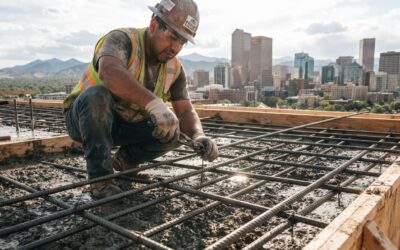
Before you pour, make sure all your preparations are complete, including forms and reinforcement materials. It’s essential to coordinate with your contractors to ensure everyone’s ready, as concrete needs to be poured quickly and efficiently to avoid hardening too soon.
When you’re ready, the team will mix the concrete and transport it to the site using a truck or wheelbarrow. They’ll then pour it evenly into the forms, using tools to spread and level it.
Pay attention to this process, as proper pouring sets the foundation for the durability and strength of your concrete structure. A smooth pour can make all the difference!
Curing Process
The curing process is crucial for ensuring your concrete achieves its maximum strength and durability. This phase usually begins right after the concrete is poured.
You’ll want to keep the surface moist for at least a week, as this helps the hydration process, which is vital for solidifying the concrete. To do this, you can use wet burlap, plastic sheeting, or a curing compound.
During curing, avoid heavy foot or vehicle traffic to prevent damage. You should also monitor the temperature and humidity, as extreme conditions can affect the curing time.
Final Touches and Cleanup
Attention to detail in the final touches and cleanup can make a significant difference in the overall appearance and functionality of your concrete project.
Once curing is complete, your contractor will begin the finishing process, smoothing surfaces and removing any imperfections. You’ll want to discuss the desired finish—whether it’s a polished look or a textured surface.
After finishing, it’s time for cleanup. This step involves removing debris, excess materials, and any tools used during the project. A thorough cleanup ensures your space looks pristine and ready for use.
Frequently Asked Questions
How Do I Choose the Right Concrete Contractor in Denver?
To choose the right concrete contractor in Denver, research their experience, read reviews, and ask for references.
Compare quotes and ensure they’re licensed and insured.
Trust your instincts to find the best fit for your project.
What Permits Are Required for a Concrete Project in Denver?
You’ll need specific permits for your concrete project in Denver, including a building permit and possibly zoning approvals.
Check with the city’s planning department to ensure you have everything necessary before starting your project.
Can I Customize My Concrete Mix Design?
Yes, you can customize your concrete mix design!
You’ll want to discuss your specific needs with your contractor, who can adjust the proportions of cement, aggregates, and additives to achieve the desired strength and appearance.
What Is the Best Time of Year for Concrete Projects in Denver?
The best time for concrete projects in Denver is late spring to early fall.
During these months, temperatures are warmer, reducing the risk of freezing and ensuring optimal curing conditions for your concrete.
How Do Weather Conditions Affect the Concrete Pouring Process?
Weather conditions can significantly impact the concrete pouring process.
You’ll notice that extreme temperatures, rain, or high winds can delay work or affect the curing process, so it’s essential to monitor forecasts before scheduling.
Conclusion
In summary, working with Denver contractors on your concrete project involves several key phases, from the initial consultation to final cleanup. You’ll see your vision come to life as the site is prepared, the concrete is poured, and it’s allowed to cure. Once the project wraps up with those finishing touches, you’ll be left with a durable and ready-to-use space. Trust the process, and enjoy the transformation of your area!