When it comes to the concrete around your Denver home, deciding between repair and replacement can feel overwhelming. You might notice cracks, spalling, or uneven surfaces that raise questions about safety and functionality. While repairs can often save you money and minimize disruption, there are cases where a full replacement makes more sense for long-term stability and aesthetics. Understanding the signs and costs associated with each option is crucial, but how do you know which path is right for you? Exploring the nuances of each choice will help clarify your next steps.
Signs You Need Repair
When you notice cracks, uneven surfaces, or water pooling on your concrete, it’s time to pay attention.
These signs often indicate that your concrete needs repair. Cracks can expand over time, leading to more significant issues if you ignore them.
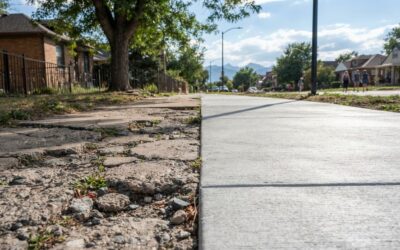
Uneven surfaces not only create tripping hazards but can also worsen drainage problems, causing water to accumulate. Pay attention to any sinking or settling areas, as they can signal underlying issues that require immediate action.
Additionally, if you see spalling or flaking, it’s a clear indication that the surface is deteriorating.
Addressing these issues promptly can prevent further damage and ensure your concrete remains safe and functional.
Don’t wait until it’s too late—act now!
Benefits of Repair
Concrete repair offers numerous advantages that can save you time and money.
First, it’s often much more affordable than complete replacement, allowing you to stretch your budget further. You’ll also experience less disruption since repair work usually takes less time, meaning you can get back to your routine quickly.
Additionally, repairing your concrete can enhance the overall appearance of your property, boosting curb appeal without the hefty price tag of a full replacement.
You’ll also contribute to sustainability by reducing waste, as you’re not tearing out and discarding old concrete.
Lastly, timely repairs can prevent more extensive damage down the line, ultimately saving you from larger repair costs in the future.
When to Consider Replacement
Sometimes, you might find that concrete replacement is the better option when repairs no longer suffice. If your concrete has deep cracks, significant settling, or widespread surface damage, it may be time to consider a full replacement.
Additionally, if you’re experiencing ongoing issues despite multiple repairs, your concrete’s structural integrity might be compromised. When safety becomes a concern, such as with uneven surfaces causing tripping hazards, replacement is crucial.
If the aesthetic appeal of your concrete has diminished significantly, new concrete can enhance your property’s value and curb appeal. Ultimately, if the cost of continuous repairs starts to add up, investing in a replacement could save you time and money in the long run, ensuring a solid, lasting foundation.
Cost Comparison
Weighing your options between concrete repair and replacement often hinges on cost.
Generally, repair is the more budget-friendly choice, averaging between $300 and $1,500, depending on the extent of damage. It allows you to address specific issues without the hefty price tag of a full replacement.
Conversely, replacement can range from $3,000 to $10,000 or more, depending on the size and complexity of the project. While replacement might be necessary for severely damaged concrete, it’s essential to consider your budget and long-term goals.
If you’re looking for a quick fix, repair can save you money in the short run. Ultimately, understanding these costs will help you make a more informed decision about your concrete needs.
Choosing the Right Option
Considering your specific needs and circumstances is crucial when choosing between concrete repair and replacement.
First, evaluate the extent of damage. If it’s minor, repair might be the best option, saving you time and money. However, if you’re facing widespread cracking or sinking, replacement could be more cost-effective in the long run.
Next, think about your budget. Repairs typically involve less upfront cost, but they may not last as long as a new slab.
Also, consider the aesthetic appeal. A fresh concrete surface can significantly boost your home’s value and curb appeal.
Frequently Asked Questions
How Long Does a Concrete Repair Typically Last?
A concrete repair typically lasts anywhere from 5 to 10 years, depending on factors like the quality of the repair, environmental conditions, and how well you maintain it.
Regular inspections can help extend its lifespan.
Can I Do Concrete Repairs Myself?
Yes, you can do concrete repairs yourself if you have the right tools and materials.
Just be sure to follow guidelines, take safety precautions, and understand the process to achieve lasting results.
It’s rewarding!
What Weather Conditions Affect Concrete Repairs?
Weather conditions like temperature, humidity, and precipitation significantly affect concrete repairs.
You’ll want to avoid extreme heat or cold, as they can hinder curing.
Rain can also disrupt your work, so check forecasts before starting.
Is Sealing Necessary After Repairing Concrete?
Yes, sealing’s essential after repairing concrete.
It protects against moisture, prevents cracks, and enhances durability.
By sealing, you’re ensuring your repair lasts longer, maintaining the appearance and strength of your concrete surfaces.
Don’t skip this step!
How Can I Prevent Future Concrete Damage?
To prevent future concrete damage, you’ll want to regularly seal your surfaces, fix cracks promptly, ensure proper drainage, and avoid heavy loads.
Keeping an eye on weather conditions can help maintain your concrete’s integrity, too.
Conclusion
In the end, deciding between concrete repair and replacement comes down to the condition of your concrete and your long-term goals. If you’re facing minor issues, repairs can save you time and money. However, for extensive damage, replacement might be the better choice for lasting stability. By evaluating the signs, benefits, and costs, you can make an informed decision that suits your budget and enhances your home’s value. Don’t hesitate to consult a professional for guidance!