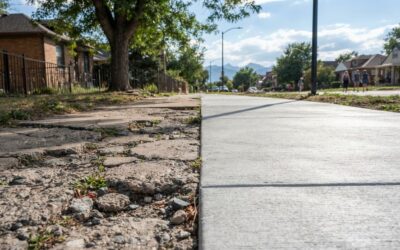
If you’re looking for ADA-compliant concrete walkways and ramps in Denver, you’re making a great choice for accessibility. These pathways are designed with a minimum width of 36 inches and a maximum slope of 1:12, ensuring safe navigation for everyone. Slip-resistant surfaces help prevent accidents, while clear signage aids visibility. Investing in these features not only enhances safety but also fosters a sense of belonging within the community. There’s more to discover about the benefits of inclusive design.
Understanding ADA Compliance Standards
When designing concrete walkways and ramps, it’s essential to understand ADA compliance standards, as these regulations guarantee accessibility for everyone.
You need to familiarize yourself with key measurements, like width, slope, and surface texture. For instance, walkways should be at least 36 inches wide, while ramps require a maximum slope of 1:12.
Additionally, consider the importance of clear signage and appropriate landings. By adhering to these guidelines, you’ll create safe, navigable pathways that accommodate individuals with disabilities.
Key Features of Concrete Walkways and Ramps
To guarantee your concrete walkways and ramps are effective and safe, you need to focus on several key features.
First, the surface must be slip-resistant to prevent accidents, especially in wet conditions.
Next, confirm proper slope ratios, typically no steeper than 1:12, to make navigation easier for everyone.
Incorporate clear, visible markings or tactile indicators to guide users.
Additionally, maintain a minimum width of 36 inches to accommodate wheelchair users.
Finally, check that changes between surfaces are smooth to avoid any tripping hazards.
Benefits of ADA-Compliant Designs
Creating an inclusive environment is one of the most significant benefits of ADA-compliant designs for concrete walkways and ramps. By ensuring that everyone, regardless of their mobility, can access public spaces, you promote equality and enhance community interaction.
These designs also reduce the risk of accidents, making pathways safer for all users. Additionally, ADA compliance can increase property values and attract a wider range of visitors, benefiting local businesses.
You’ll find that investing in these accessible features fosters a sense of belonging and encourages social engagement, ultimately leading to a more vibrant and cohesive community.
The Role of Accessibility in Urban Planning
Accessibility plays a vital role in urban planning, ensuring that all individuals, including those with disabilities, can navigate and enjoy public spaces.
When you prioritize accessibility, you create environments that foster independence and participation. This means designing walkways, ramps, and public transport that everyone can use without barriers.
By implementing ADA-compliant features, you not only enhance mobility but also promote a sense of belonging in your community.
Thoughtful urban planning considers the diverse needs of residents, encouraging equitable access.
Ultimately, accessible design benefits everyone, making your city more functional and welcoming for all who live, work, and visit.
Enhancing Community Inclusivity in Denver
While Denver has made strides in promoting inclusivity, there’s still work to be done to guarantee that every community member feels welcome and supported.
You can play an essential role by advocating for ADA-compliant walkways and ramps in public spaces. These features not only enhance accessibility but also foster a sense of belonging for everyone, regardless of their mobility needs.
Encourage local businesses and community organizations to prioritize inclusivity in their designs. By working together, you can create an environment where all residents and visitors can enjoy Denver’s vibrant culture and participate fully in community life.
Your efforts matter!
Frequently Asked Questions
What Materials Are Best for Durable Ada-Compliant Concrete Walkways?
For durable ADA-compliant concrete walkways, you should use high-quality concrete mix, reinforced aggregates, and non-slip additives.
These materials enhance strength, longevity, and safety, ensuring your walkways withstand wear while providing accessibility for everyone.
How Long Do Ada-Compliant Ramps Typically Last?
ADA-compliant ramps typically last 20 to 30 years with proper maintenance.
You should regularly inspect for wear and tear to guarantee safety and longevity, making timely repairs when needed to maintain their effectiveness.
Can Existing Walkways Be Retrofitted for ADA Compliance?
Yes, you can retrofit existing walkways for ADA compliance.
By adjusting slopes, adding handrails, and ensuring proper surface textures, you’ll enhance accessibility.
Consulting with a professional can help you meet all necessary guidelines effectively.
Are There Grants Available for Ada-Compliant Construction Projects?
Yes, there’re grants available for ADA-compliant construction projects.
You can explore federal, state, and local funding options, as well as nonprofit organizations that support accessibility initiatives.
Researching these can help you secure necessary financial assistance.
What Is the Cost Difference Between Standard and Ada-Compliant Walkways?
The cost difference usually ranges from 10% to 30% more for ADA-compliant walkways compared to standard ones.
It’s essential you consider long-term benefits and accessibility improvements when evaluating these costs for your project.
Conclusion
Incorporating ADA-compliant concrete walkways and ramps in Denver isn’t just about meeting regulations; it’s about fostering inclusivity for everyone. By prioritizing accessibility, you’re helping create a city where everyone can navigate with ease and confidence. These features not only enhance safety but also strengthen community bonds, making Denver a more welcoming place for all residents and visitors. Let’s embrace these designs to ensure that no one gets left behind as we build a more accessible future together.