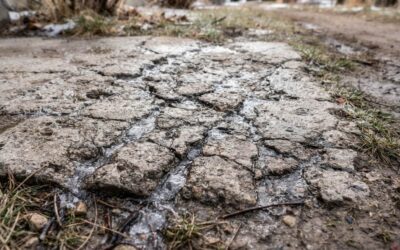
If you’re a Denver homeowner, knowing your HOA’s concrete requirements is vital. These rules often specify what materials and designs you can use for driveways, patios, and sidewalks. You’ll need to submit any plans for approval to guarantee they align with architectural guidelines. Regular maintenance is also important to keep your concrete in good shape, so stay informed about any seasonal upkeep. Continue on to discover more about other important HOA guidelines and responsibilities.
Understanding HOA Governance and Structure
When you join a homeowners association (HOA) in Denver, understanding its governance and structure is important for maneuvering community life.
HOAs typically have a board of directors elected by members, responsible for enforcing rules and managing finances. You’ll want to familiarize yourself with the bylaws, which outline how decisions are made and what powers the board holds.
Additionally, committees may handle specific tasks, like landscaping or events. Knowing how these elements interact helps you engage effectively, voice concerns, and participate in meetings.
This knowledge empowers you to contribute positively to your community and guarantees a harmonious living environment.
Architectural Guidelines and Modifications
Architectural guidelines and modifications are essential aspects of living in a Denver HOA, ensuring that the community maintains its aesthetic appeal and property values.
As a homeowner, you need to familiarize yourself with these rules before making any changes to your property. Whether it’s adding a deck, changing your roof, or painting your house, you must submit plans for approval.
This process helps keep the neighborhood cohesive and visually appealing. Always check the specific guidelines of your HOA, as they can vary considerably.
Following these rules not only protects your investment but also fosters harmony within your community.
Maintenance and Landscaping Requirements
To maintain the beauty and value of your Denver HOA community, adhering to maintenance and landscaping requirements is essential.
You’ll need to keep your yard tidy, with regular mowing, weeding, and trimming. Make sure that any landscaping features, like flower beds or shrubs, align with your HOA’s guidelines.
Pay attention to seasonal upkeep, such as raking leaves in the fall or shoveling snow in the winter. If you plan to make any changes, check with your HOA first.
Following these rules not only enhances your property but also supports your neighbors in keeping the community looking its best.
Rules for Common Areas and Amenities
Maintaining your property is just one part of living in a Denver HOA; the rules for common areas and amenities play a significant role in community enjoyment and cohesion.
You’ll want to familiarize yourself with guidelines regarding pools, parks, and clubhouses. These areas often have specific hours of operation, usage restrictions, and reservation procedures. Respecting these rules guarantees everyone can enjoy shared spaces.
Additionally, cleanliness is essential; you should clean up after yourself and report any maintenance issues. By adhering to these guidelines, you contribute to a pleasant atmosphere and foster positive relationships with your neighbors.
Assessments, Fees, and Financial Responsibilities
Understanding assessments, fees, and financial responsibilities is important for every homeowner in a Denver HOA, as these costs directly impact your community’s upkeep and services.
Typically, you’ll pay monthly or annual assessments, which fund maintenance, landscaping, and amenities. Additionally, special assessments may arise for unexpected repairs or improvements, so be prepared for those potential costs.
It’s necessary to review your HOA’s budget and financial statements regularly to stay informed. Remember, timely payments are critical; late fees can add up quickly.
Staying proactive about your financial responsibilities guarantees a well-maintained community and helps avoid conflicts with your neighbors and the board.
Frequently Asked Questions
How Are Board Members Elected in Denver HOAS?
In Denver HOAs, you elect board members during annual meetings.
Members typically nominate candidates, and homeowners vote.
Make certain you attend these meetings and participate, as your voice shapes the community’s leadership and direction.
What Are the Consequences for Violating HOA Rules?
If you violate HOA rules, you might face fines, legal action, or even loss of privileges.
Repeated violations could lead to stricter enforcement, so it’s best to understand and follow your community’s regulations.
Can Homeowners Challenge HOA Decisions Legally?
Yes, homeowners can legally challenge HOA decisions.
You should review your governing documents, gather evidence, and potentially seek mediation or legal counsel to guarantee your rights are protected and your concerns are addressed appropriately.
How Can I Access HOA Meeting Minutes?
You can access HOA meeting minutes by requesting them directly from your HOA management or board.
Many associations post them online, so check their website first.
If unavailable, ask your board for copies.
Are There Differences Between Condos and Single-Family Home HOAS?
Yes, there’re differences.
Condo HOAs typically manage shared amenities and exterior maintenance, while single-family home HOAs focus more on community standards and landscaping.
Each type has unique rules and responsibilities, impacting your living experience.
Conclusion
In Denver, understanding your HOA’s rules is essential for a smooth homeownership experience. You’ve got to familiarize yourself with governance structures, architectural guidelines, and maintenance responsibilities. Don’t forget to stay informed about common area rules and any assessments you might face. By being proactive and engaged, you can ensure your home and community thrive. So, dive into those documents, attend meetings, and connect with your neighbors—it’ll help you make the most of your investment and living experience!