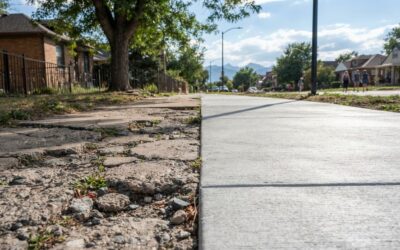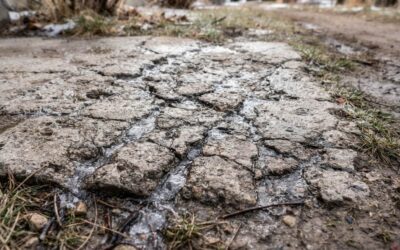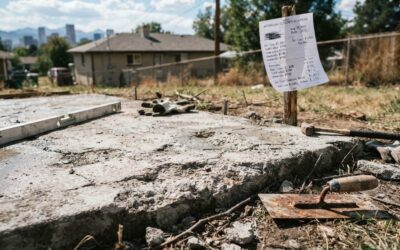
When you’re planning a concrete project in Denver, you’ll pay for materials like cement and aggregates, which can vary widely in price. Labor expenses can range from $50 to $100 per hour, especially if you hire skilled workers. Don’t forget to factor in permit fees and possible unforeseen costs, like weather delays or unstable soil. By understanding these expenses, you can budget more effectively. Keep going to discover more tips on smart budgeting for your project.
Understanding Material Costs in Concrete Projects
When you’re planning a concrete project in Denver, understanding material costs is essential for staying within budget.
You’ll need to evaluate the price of cement, aggregates, and additives, as these components greatly impact your overall expenses. Local suppliers can vary in pricing, so it’s smart to shop around for the best deals.
Don’t forget to account for transportation costs if you’re sourcing materials from outside the area. Additionally, market fluctuations can affect prices, so monitoring trends before purchasing can save you money.
Labor Expenses: What to Expect
Although you might focus on material costs, labor expenses are equally essential in budgeting for your concrete project in Denver.
Skilled labor can greatly impact your overall expenses, as experienced workers command higher wages. You can expect to pay between $50 to $100 per hour for qualified concrete contractors and their crew.
Additionally, consider that labor costs vary based on project complexity and timeline. If your project requires specialized skills or overtime work, you’ll face higher charges.
Permits and Regulations: Hidden Costs
Before you plunge into your concrete project in Denver, it’s essential to factor in the costs associated with permits and regulations.
These expenses can sneak up on you if you’re not prepared. The city requires various permits, and fees can vary based on project size and scope.
Additionally, you might need to adhere to zoning laws and building codes, which may involve further costs for inspections or modifications.
Not obtaining the right permits can lead to fines or project delays, so it’s best to budget for these hidden costs upfront to avoid surprises down the road.
Common Unforeseen Expenses
Even seasoned homeowners can encounter unexpected costs during a concrete project in Denver.
Weather delays can push back your timeline and inflate labor costs. You might also face issues with the ground beneath your project—like discovering unstable soil or underground utilities, which can necessitate additional excavation or rerouting.
Material price fluctuations can catch you off guard, too. If you’re adding decorative elements, those costs can skyrocket unexpectedly.
Finally, don’t forget about potential cleanup and disposal fees, especially if your project generates more waste than anticipated.
Being aware of these unforeseen expenses can help you stay prepared.
Tips for Budgeting Your Concrete Project
When planning your concrete project, it’s essential to establish a realistic budget that accounts for all potential costs.
Start by getting multiple quotes from contractors to compare prices. Break down expenses into materials, labor, permits, and any unforeseen costs.
Don’t forget to include a contingency fund—typically 10-20% of your total budget—just in case. Research local material prices and check for any seasonal discounts.
Additionally, consider the long-term maintenance costs associated with your project. By being thorough and proactive, you can minimize surprises and guarantee your concrete project stays within budget.
Stay informed and flexible throughout the process.
Frequently Asked Questions
How Do Seasonal Changes Affect Concrete Project Costs?
Seasonal changes can greatly affect your concrete project costs.
Cold weather can delay curing, leading to increased labor and materials, while hot weather might require additional precautions, raising overall expenses.
Timing your project wisely saves you money.
What Is the Average Lifespan of Concrete Surfaces?
Concrete surfaces typically last 25 to 30 years with proper maintenance.
You’ll find that factors like climate, usage, and quality of installation greatly impact their longevity.
Regular upkeep can help extend their lifespan even more.
Are There Eco-Friendly Concrete Options Available?
Yes, there are eco-friendly concrete options available.
You can choose recycled materials, lower carbon cement, or permeable concrete.
These alternatives reduce environmental impact while maintaining durability and strength for your projects.
Can I DIY My Concrete Project to Save Money?
Yes, you can DIY your concrete project to save money.
However, be cautious about the skills required, tools needed, and potential mistakes.
Research thoroughly, plan well, and you’ll increase your chances of success.
How Do I Choose the Right Contractor for My Project?
To choose the right contractor, research their experience, read reviews, and ask for references.
Get multiple quotes, compare them, and verify they’re licensed and insured.
Trust your instincts; communication is key throughout the process.
Conclusion
In conclusion, understanding the real costs of concrete projects in Denver is crucial for effective budgeting. By considering material costs, labor expenses, and potential permits, you can avoid surprises along the way. Don’t forget to account for unforeseen expenses that may arise. With careful planning and a clear breakdown of your costs, you’ll be better equipped to manage your project and ensure it stays within budget. Start your concrete project with confidence and clarity!