If you notice small cracks or surface flaking in your concrete in Denver, it can often be repaired. However, larger cracks, uneven surfaces, or sinking areas usually indicate that replacement is necessary to guarantee safety and durability. Factors like the age of the concrete and its function also play a role in your decision. To make an informed choice, consider both short-term and long-term implications, as well as costs. There’s more to explore on this topic.
Common Signs of Concrete Damage
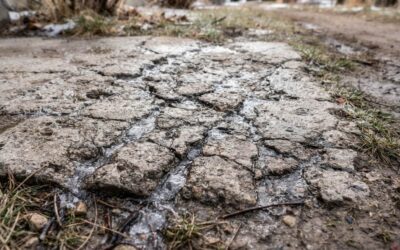
You might notice several signs indicating your concrete is damaged. Cracks, for instance, can appear in various sizes, signaling underlying issues.
If you spot flaking or scaling on the surface, it’s a sign of wear and potential moisture problems. Uneven surfaces or settling can lead to tripping hazards, making it essential to address promptly.
Additionally, discoloration may indicate water infiltration or chemical exposure. Pay attention to any sinking areas, as they could point to foundation issues.
Recognizing these signs early can help you decide whether to repair or replace your concrete, ensuring safety and longevity in your space.
Assessing the Extent of Damage
After recognizing the signs of concrete damage, the next step is to assess how severe the issues are.
Start by inspecting for cracks, spalling, or discoloration. Measure the depth and width of cracks; anything over a quarter-inch might indicate a serious problem.
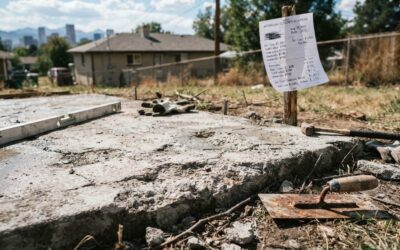
Check for uneven surfaces or sinking sections, as these often signal foundational issues. Don’t forget to evaluate drainage around your concrete—poor drainage can worsen damage.
Take notes and photographs to document your findings. By understanding the extent of the damage, you’ll be better equipped to decide whether repair or replacement is the right course of action.
Factors Influencing Repair vs. Replacement
When deciding between concrete repair and replacement, several factors come into play that can greatly influence your choice.
First, consider the age and overall condition of your concrete. If it’s relatively new and only has minor damage, repair might be the best option.
Next, think about the location and function of the concrete. High-traffic areas may require a more durable solution, while decorative features could be repaired.
Finally, assess the weather conditions in Denver; extreme temperatures can affect the longevity of repairs.
Balancing these factors will help you make an informed decision that suits your needs.
Cost Considerations for Repairing Concrete
While weighing your options, understanding the cost considerations for repairing concrete is essential.
Repairing concrete usually costs considerably less than replacing it entirely. You’ll save on materials and labor, making it a budget-friendly choice.
However, keep in mind that some repairs may require specialized techniques or materials, which can increase expenses.
Additionally, consider the potential need for future repairs; if issues persist, costs can add up.
It’s wise to get multiple quotes from contractors to find the best deal.
Ultimately, balancing upfront costs with long-term needs will help you make a more informed decision about your concrete.
Long-Term Benefits of Repairing vs. Replacing Concrete
Deciding between repairing or replacing concrete often hinges on the long-term benefits each option offers.
When you repair, you typically save money upfront while extending the life of your existing surface. This approach minimizes waste and is more environmentally friendly.
On the other hand, replacing concrete may offer enhanced durability and aesthetics, ensuring a fresh start. However, it involves higher initial costs and disruption.
Ultimately, choosing repair means investing in sustainability and cost-effectiveness, while replacement may provide a longer-lasting solution.
Think about your budget, needs, and how long you plan to stay in your property before making a decision.
Frequently Asked Questions
How Long Does a Concrete Repair Typically Last?
A concrete repair typically lasts between 5 to 10 years, depending on factors like the quality of materials used and the level of maintenance.
Regular upkeep can extend its lifespan, so stay proactive about care!
Can I Repair Concrete Myself or Hire a Professional?
You can definitely repair concrete yourself if you have the right tools and skills.
However, hiring a professional assures quality work, saves time, and guarantees a durable solution, especially for larger or more complicated repairs.
What Weather Conditions Affect Concrete Repair in Denver?
Weather conditions like extreme cold, heavy rain, or high humidity can negatively impact concrete repair in Denver.
You should aim for dry, mild days to guarantee proper curing and adhesion for the best results.
Are There Warranties for Repaired or Replaced Concrete?
Yes, there are warranties for both repaired and replaced concrete.
Usually, contractors offer warranties that cover workmanship and materials.
You should always ask about the specifics to guarantee your investment is protected.
How Do I Maintain Repaired Concrete to Extend Its Life?
To maintain your repaired concrete, regularly clean it, seal it every few years, avoid heavy loads, and address cracks promptly.
Keep it clear of debris and use appropriate de-icing agents in winter to prevent damage.
Conclusion
In conclusion, knowing when to repair or replace concrete in Denver, CO, is essential for maintaining your property. By recognizing the signs of damage and assessing the extent, you can make informed decisions. Consider the factors influencing your choice and the costs involved. Remember, repairing concrete can save money and extend its lifespan, while replacement might be necessary for severe damage. Ultimately, weighing these options will help you keep your concrete surfaces safe and functional for years to come.