When managing multi-family properties in Denver, you need to know the types of concrete that suit local conditions. Standard and high-strength concrete work well, but lightweight options can reduce structural loads. Remember that Denver’s temperature fluctuations can impact curing and durability, so choose mixes that can handle freeze-thaw cycles. It’s also essential to comply with local regulations. These considerations guarantee both performance and aesthetics for your properties. There’s more to explore about enhancing tenant satisfaction.
Understanding Different Types of Concrete
When you’re building a multi-family property in Denver, understanding the different types of concrete is vital to your project’s success.
You’ll encounter options like standard concrete, which provides strength and durability, and lightweight concrete, ideal for reducing structural loads. High-strength concrete offers added resilience for heavy traffic areas.
If you’re focused on insulation, consider insulated concrete forms (ICFs), which enhance energy efficiency. Each type serves a unique purpose, so think about your property’s specific needs.
Choosing the right concrete not only affects construction timelines but also impacts long-term maintenance and tenant satisfaction, making informed decisions essential for your investment.
Climate Considerations in Denver
Selecting the right type of concrete is just one part of building multi-family properties in Denver; you also need to take into account the local climate.
Denver’s climate features hot summers and cold winters, leading to significant temperature fluctuations. This can affect the curing process and longevity of concrete. You’ll want to use concrete mixes designed to withstand freeze-thaw cycles, reducing the risk of cracking.
Additionally, incorporating additives like air-entraining agents can enhance durability. Keeping in mind the city’s elevation and potential for rapid weather changes will help guarantee your concrete structures perform well throughout their lifespan.
Regulatory Compliance and Best Practices
While maneuvering through the complexities of multi-family construction in Denver, understanding regulatory compliance and best practices is vital for ensuring the safety and longevity of your concrete structures.
Familiarize yourself with local building codes, zoning regulations, and environmental standards that govern concrete use. Regularly consult with structural engineers and local authorities to stay updated on any changes.
It’s imperative to choose high-quality materials and experienced contractors to meet these requirements. Document all processes and inspections meticulously, as this can protect you from potential legal issues down the line.
Prioritizing compliance not only safeguards your investment but also enhances tenant satisfaction.
Maintenance and Repair Strategies
To keep your multi-family concrete structures in top condition, implementing effective maintenance and repair strategies is essential.
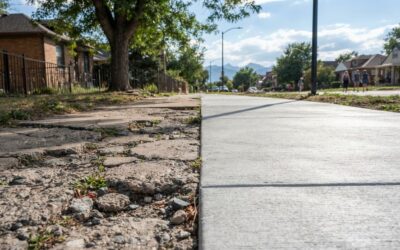
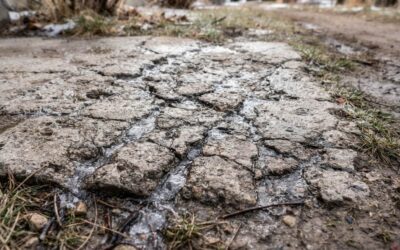
Start by conducting regular inspections to identify cracks, spalling, or discoloration early. Address any issues promptly to prevent further damage.
Guarantee proper drainage to avoid water pooling, which can weaken concrete. Use sealants to protect surfaces and extend their lifespan.
For repairs, opt for high-quality materials that match your existing concrete. Always follow best practices during installation to maintain structural integrity.
Enhancing Curb Appeal With Concrete Design
Concrete design can greatly enhance the curb appeal of your multi-family property, creating an inviting atmosphere that attracts potential tenants.
Think decorative concrete walkways, stylish patios, and eye-catching retaining walls. You can also explore stamped or colored concrete to add unique patterns and textures.
Incorporating seating areas with concrete benches invites residents to gather and socialize. Additionally, consider using concrete planters filled with vibrant flowers to soften hard surfaces.
Frequently Asked Questions
What Is the Average Lifespan of Concrete in Denver Properties?
The average lifespan of concrete in Denver properties is around 30 to 50 years, depending on factors like quality, weather conditions, and maintenance.
Regular upkeep helps extend its durability and performance over time.
How Does Concrete Impact Property Insurance Rates?
Concrete can lower property insurance rates because it’s fire-resistant and durable, minimizing damage risks.
When you’re maintaining a well-constructed concrete property, insurers often view it as a lower risk, resulting in potential savings for you.
What Are the Costs Associated With Concrete Installation?
Concrete installation costs vary based on factors like material quality, project size, and labor rates.
You should budget for site preparation, pouring, finishing, and any necessary reinforcement, which can greatly affect your overall expenses.
Can Concrete Be Recycled After Removal?
Yes, concrete can be recycled after removal.
You can crush it into aggregate for new projects, reducing waste and conserving resources.
It’s a sustainable choice that benefits both your budget and the environment.
How Do I Choose the Right Concrete Contractor?
To choose the right concrete contractor, research their experience, check references, and review past projects.
Get multiple quotes, ask about warranties, and guarantee they’re licensed and insured to protect your investment.
Conclusion
In conclusion, when managing multi-family properties in Denver, understanding the nuances of concrete is crucial. By considering the local climate, adhering to regulations, and implementing effective maintenance strategies, you can ensure your properties stay safe and appealing. Don’t forget about enhancing curb appeal through thoughtful concrete design—it can make a significant difference in attracting tenants. Stay informed and proactive, and you’ll set your properties up for long-term success in the competitive Denver market.