A professional concrete site inspection in Denver, CO, guarantees your construction project meets high standards. It involves evaluating site conditions, reviewing materials, and checking the mixing and placement processes. Inspectors also observe the curing process to assure peak strength. You need to comply with local regulations and prevent common issues like improper curing or misaligned reinforcement. Staying informed about best practices will enhance your project’s success, and there’s more to learn about effective concrete inspections.
Importance of Concrete Site Inspections
When you consider the critical role concrete plays in construction, it’s clear that thorough site inspections are crucial.
These inspections confirm your project meets the highest standards, preventing costly mistakes down the line. By identifying potential issues early, you’re able to address them before they escalate, saving you time and money.
Plus, a well-executed inspection helps assure the safety and longevity of your structure. You’ll also enhance the overall quality of your work, giving you peace of mind.
In an industry where precision matters, investing in concrete site inspections isn’t just smart; it’s essential for your project’s success.
Key Components of a Professional Inspection
A thorough concrete site inspection hinges on several key components that guarantee quality and safety.
First, you’ll want to assess the site conditions, including drainage and soil stability.
Next, evaluate the materials being used, confirming they meet industry standards.
It’s also vital to check the mixing process and consistency of the concrete.
Pay attention to the placement methods, making sure proper techniques are followed.
Finally, observe the curing process to secure peak strength development.
Local Regulations and Compliance Standards
Understanding local regulations and compliance standards is vital for any concrete site inspection in Denver, as these guidelines guarantee your project meets legal and safety requirements.
Familiarize yourself with the Denver Building Code and zoning laws, which dictate everything from material specifications to structural integrity. It’s essential to obtain the necessary permits before starting your project to avoid costly delays.
Regularly check for updates to these regulations, as they can change. Consulting with local authorities or a professional inspector can help you navigate these requirements effectively, guaranteeing your project runs smoothly and adheres to all safety protocols.
Common Issues Identified During Inspections
Local regulations and compliance standards set the foundation for what inspectors look for during concrete site evaluations in Denver.
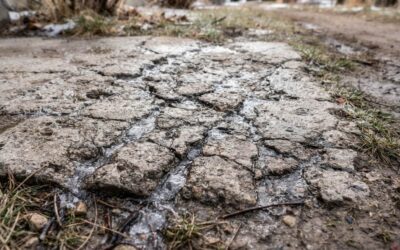
Common issues you might encounter include inadequate curing, which can lead to surface cracking, and improper mix ratios, affecting strength and durability. Inspectors often find issues with drainage systems that don’t comply with local requirements, resulting in potential water damage.
Additionally, they may spot poor compaction of the subgrade, which can cause settling over time. Finally, look out for reinforcement placement errors, as misaligned rebar can compromise the structural integrity of your concrete project.
Addressing these issues early is essential.
Best Practices for Successful Concrete Projects
To guarantee a successful concrete project, you should start by selecting the right materials and following proper mixing procedures.
Next, verify your site is adequately prepared, with proper grading and drainage to prevent future issues.
Always work within the recommended temperature ranges for pouring, and consider using additives to enhance performance.
Proper curing is essential, so keep the concrete moist for at least a week.
Finally, conduct regular inspections throughout the process to catch any potential problems early.
Frequently Asked Questions
How Long Does a Concrete Site Inspection Typically Take?
A concrete site inspection typically takes between one to three hours, depending on the project’s size and complexity.
You’ll want to guarantee all aspects are thoroughly evaluated for quality and compliance with local regulations.
What Qualifications Should a Concrete Inspector Have?
A concrete inspector should have relevant certifications, experience in construction, and a strong understanding of concrete materials and practices.
They must also be detail-oriented, knowledgeable about codes, and capable of identifying potential issues effectively.
Can Homeowners Request an Inspection Before Hiring Contractors?
Yes, you can request an inspection before hiring contractors.
It helps guarantee quality and identifies potential issues.
Having an inspector evaluate the site can save you time and money in the long run.
What Tools Are Used During a Concrete Site Inspection?
During a concrete site inspection, you’ll typically see tools like laser levels, moisture meters, concrete testers, and measuring tapes.
These help assess the surface’s quality, guarantee proper thickness, and identify any potential issues before work begins.
Are Inspections Required for Small Residential Concrete Projects?
Yes, inspections are often required for small residential concrete projects.
You should check local regulations, as they may vary.
Ensuring compliance can help prevent future issues and guarantee the quality of your concrete work.
Conclusion
In conclusion, a professional concrete site inspection in Denver, CO, is essential for ensuring your project’s success. By understanding the key components, adhering to local regulations, and addressing common issues, you can avoid costly mistakes. Implementing best practices will not only enhance the quality of your concrete work but also provide peace of mind. So, make inspections a priority, and you’ll set your project up for success while keeping everything compliant and safe.