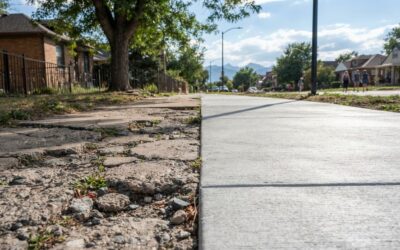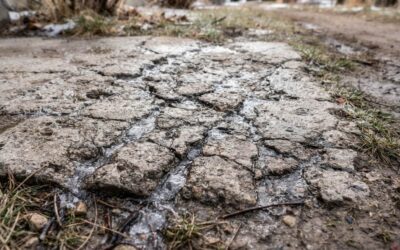
Poor drainage can seriously harm your concrete driveway in Denver. When water pools around your driveway, it seeps into cracks and pores, leading to spalling and weakening the structure. Freeze-thaw cycles can worsen the damage, while mold growth poses additional risks. Common issues like improper grading and clogged gutters often contribute to this problem. To keep your driveway safe and intact, it’s essential to manage water flow effectively. Discover more ways to protect your driveway from damage.
Understanding the Importance of Proper Drainage
When it comes to maintaining your concrete driveway, understanding the importance of proper drainage is essential.
Without effective drainage, water can pool around your driveway, leading to cracks and deterioration over time. You’ll want to guarantee that rainwater flows away from your driveway, reducing the risk of damage.
Installing proper drainage systems, like French drains or gutters, helps direct water away, keeping your surface intact. Regularly checking for any blockages in your drainage can prevent costly repairs down the line.
Common Causes of Poor Drainage Around Concrete Driveways
Poor drainage around concrete driveways often stems from a few common issues that can easily be overlooked.
One major cause is improper grading; if the land slopes towards your driveway instead of away, water accumulates. Clogged gutters and downspouts can also direct water towards your driveway, exacerbating the problem.
Additionally, vegetation like trees and shrubs may obstruct drainage paths, trapping moisture.
Finally, poor installation methods—like not using drainage channels or inadequate base material—can lead to drainage issues.
The Effects of Water Accumulation on Concrete
Water accumulation around concrete driveways can lead to significant structural issues if left unaddressed.
When water pools, it seeps into cracks and pores, weakening the concrete over time. This constant moisture exposure can cause deterioration, such as spalling or flaking, which not only affects aesthetics but compromises strength.
Additionally, freeze-thaw cycles can exacerbate damage, as trapped water expands when frozen, further cracking the surface.
You might also notice increased mold or mildew growth in damp areas, creating safety hazards.
Taking immediate action to improve drainage can help preserve the integrity and lifespan of your driveway.
Signs of Drainage Issues to Look Out For
Have you noticed any unusual puddles or wet spots around your driveway? These can be early signs of drainage issues.
Cracks in the concrete, especially if they’re widening, indicate water’s damaging effects. If you see soil erosion near the edges, it suggests water isn’t draining properly.
Pay attention to mold or mildew growth, as it thrives in damp conditions. You might also spot sinking or uneven sections, which compromise the driveway’s stability.
Finally, listen for unusual sounds when walking on the concrete; hollow sounds can signal voids beneath. If you see these signs, it’s time to investigate further.
Preventative Measures to Protect Your Driveway
To keep your driveway in top shape, consider implementing a few preventative measures that can save you time and money down the road.
First, guarantee proper grading around your driveway to direct water away from the surface. You might also install a drainage system, like French drains, to manage excess water.
Regularly clean gutters and downspouts to prevent overflow. Additionally, seal your driveway every few years to protect it from moisture and cracks.
Finally, maintain landscaping by keeping plants and soil away from the edges, allowing for proper drainage.
These steps can considerably enhance your driveway’s longevity and performance.
Frequently Asked Questions
How Can I Tell if My Driveway Was Improperly Installed?
You can tell if your driveway was improperly installed by checking for cracks, uneven surfaces, pooling water, or signs of settling.
If you see these issues, it’s likely your driveway wasn’t done right.
What Landscaping Choices Can Help Improve Drainage Around My Driveway?
To improve drainage around your driveway, consider adding rain gardens, using permeable pavers, planting native vegetation, and installing French drains.
These choices help direct water away, reducing pooling and potential damage to your driveway.
Are There Specific Drainage Systems Recommended for Denver’s Climate?
You should consider installing French drains, channel drains, or trench drains to manage water effectively in Denver’s climate.
These systems help redirect rainwater away from your driveway, preventing damage and extending its lifespan.
How Does Snow Impact Drainage Issues for Concrete Driveways?
Snow can exacerbate drainage issues for your concrete driveway.
As it melts, the water might pool if drainage isn’t effective, leading to potential damage.
Keeping drains clear and managing snow helps prevent these problems.
Can I DIY Repairs for Drainage Problems, or Should I Hire a Professional?
You can tackle minor drainage repairs yourself, but for significant issues, hiring a professional’s best.
They’ve the expertise and tools to guarantee a long-lasting solution, preventing further damage and saving you time and effort.
Conclusion
In Denver, proper drainage is crucial to maintaining your concrete driveway. Without it, water accumulation can lead to cracks, erosion, and costly repairs. By staying alert for signs of drainage issues and taking preventative measures, you can protect your investment. Regular maintenance and proper grading can go a long way in ensuring your driveway remains in great shape. Don’t wait for problems to arise; take action now to preserve your concrete driveway for years to come.