If you notice cracks, uneven surfaces, or water pooling in your concrete, it might be time to assess whether to repair or replace. Measure the cracks and check for settling or spalling. Repairing can save money for minor damage, but extensive issues may call for replacement. Consider long-term maintenance needs and costs before deciding. Want to explore what options are best for your situation? There’s more valuable information just ahead!
Common Signs of Concrete Damage
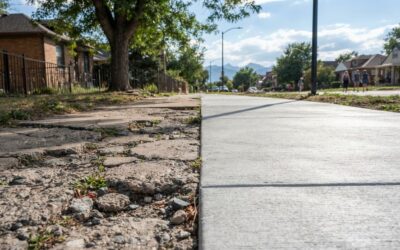
When you walk around your property, you might notice signs that your concrete is showing its age or has been damaged. Cracks, whether small or large, are often the first indicators.
You may also spot uneven surfaces, which can be tripping hazards. If your concrete feels spongy or soft in areas, that’s another red flag.
Water pooling in cracks or along edges can signal drainage issues, too. Additionally, discoloration from stains or weathering hints at deterioration.
Recognizing these signs early can help you decide whether it’s time to repair or replace your concrete, ensuring your property remains safe and attractive.
Assessing the Extent of Damage
Before deciding whether to repair or replace your concrete, you need to assess the extent of the damage.
Start by examining visible cracks, chips, and discoloration. Measure the length and depth of any cracks; those over a quarter-inch wide may indicate serious issues.
Check for settling or heaving, especially around edges or joints. Look for surface spalling or flaking, which can signal underlying problems.
Consider water pooling or drainage issues, as they can exacerbate damage. Take notes and photographs to document the condition.
This assessment will guide you in making an informed decision about the best course of action.
Cost Analysis: Repair vs. Replacement
After evaluating the extent of the damage, the next step is to evaluate the costs associated with repairing versus replacing your concrete.
Repairs typically involve patching, resurfacing, or sealing, which can be more budget-friendly and take less time. However, if the damage is severe or extensive, replacement might be the more cost-effective option in the long run.
Consider factors like labor, materials, and the longevity of each option. It’s essential to get quotes from contractors for both scenarios.
Ultimately, you’ll want to choose the option that best meets your financial situation and future needs.
Long-term Considerations for Concrete Maintenance
While choosing between repair and replacement, it’s essential to take into account the long-term maintenance of your concrete.
Think about how often you’ll need to perform upkeep, like sealing or resurfacing. Repairs might seem easier now, but if they require frequent attention, they could cost more over time.
Replacement offers a fresh start, but make sure you choose durable materials that can withstand Denver’s climate.
Factor in potential issues like cracking or settling, which can affect your choice.
Ultimately, making a decision based on long-term durability and maintenance will save you time, money, and hassle in the future.
Finding a Professional for Concrete Solutions
How can you guarantee that your concrete repair or replacement project goes smoothly? Start by researching local professionals with proven experience.
Look for contractors who specialize in concrete solutions and have positive customer reviews. Ask for references and check their previous work to gauge quality.
It’s essential to get multiple quotes to compare pricing and services. Verify their licenses and insurance to protect yourself from potential liabilities.
Don’t hesitate to ask questions about their methods and timeline. A reliable professional will communicate clearly and provide a detailed estimate, guaranteeing you feel confident in your choice for the project ahead.
Frequently Asked Questions
How Long Does Concrete Repair Typically Last?
Concrete repair typically lasts between 5 to 10 years, depending on factors like quality of materials, climate, and usage.
Regular maintenance can extend its life, so keep an eye on any signs of wear.
Can I DIY Concrete Repairs Safely?
You can DIY concrete repairs safely if you follow proper guidelines and use the right materials.
Just make sure you understand the process and take necessary precautions to avoid injuries or future issues with your repair.
What Weather Conditions Affect Concrete Work?
Extreme temperatures, moisture, and high winds greatly affect your concrete work.
For best results, avoid pouring in freezing or excessively hot weather, and guarantee the surface remains dry to prevent complications during the curing process.
How Do I Maintain Newly Repaired Concrete?
To maintain newly repaired concrete, keep it clean and free from debris.
Avoid heavy traffic for at least a month, seal it annually, and protect it from extreme temperatures to guarantee long-lasting durability.
Are There Warranties for Concrete Repair Work?
Yes, most concrete repair companies offer warranties for their work.
It’s important you ask about the specifics, including duration and coverage, to guarantee you’re protected against future issues after the repairs are completed.
Conclusion
In Denver, deciding whether to repair or replace concrete can be tricky. If you notice signs of damage, assess the extent and weigh the costs. Remember, repairing might be cheaper upfront, but consider long-term maintenance and durability. Finding a skilled professional can make all the difference in ensuring a lasting solution. Ultimately, taking the time to evaluate your options will help you make the best decision for your concrete needs.