Understanding Denver’s soil types is key to your concrete foundation‘s success. You’ll encounter sandy loam, clay, and gravel, each with unique properties. Sandy loam drains well but requires reinforcement for heavy loads. Clay retains moisture, prompting potential foundation shifts if not managed properly. Gravel offers excellent drainage, enhancing stability. To guarantee durability, you must conduct a thorough site analysis and use effective construction practices. Keep going to uncover more essential insights for your foundation project!
Overview of Soil Types in Denver
When you think about building in Denver, it’s essential to understand the local soil types, as they can considerably impact your foundation.
Denver’s soil primarily consists of sandy loam, clay, and silt, each affecting drainage and stability differently. Sandy loam offers good drainage and is relatively stable, while clay can expand and contract with moisture levels, posing risks.
Silt, on the other hand, retains water but can lead to erosion if not managed properly. Knowing these soil characteristics helps you choose the right foundation design, ensuring your structure remains solid and secure for years to come, regardless of the soil’s challenges.
Characteristics of Clay Soil
Clay soil is known for its unique properties that can notably influence construction projects in Denver. It has a high water retention capacity, which means it can expand when wet and shrink as it dries.
This fluctuation can lead to shifts in your foundation, causing cracks and structural issues. You might also notice that clay soil compacts tightly, making it challenging for drainage.
If you’re planning a concrete foundation, understanding these characteristics is essential. Proper site preparation and drainage solutions can help mitigate potential problems, ensuring your construction stands the test of time despite the challenges posed by clay soil.
Properties of Sandy Soil
While clay soil poses challenges for concrete foundations, sandy soil offers a different set of properties that can be advantageous for construction in Denver.
Sandy soil drains well, preventing water accumulation that can weaken foundations. Its loose structure allows for easy excavation and compaction, making the construction process smoother.
You’ll also find that sandy soil’s low plasticity reduces the risk of heaving during freeze-thaw cycles. However, it’s important to guarantee proper compaction and reinforcement, as sandy soil can shift under heavy loads.
Understanding Gravel Soil
Gravel soil, known for its excellent drainage capabilities, plays an essential role in the stability of concrete foundations in Denver.
When you’re working with gravel, you benefit from reduced water retention, which minimizes the risk of erosion and foundation settlement. Since gravel particles are larger and less compacted than sand or clay, they create air pockets that enhance drainage.
This means that during heavy rains or snowmelt, water quickly flows through, preventing pooling around your foundation. Choosing gravel soil for your foundation base can lead to more durable, long-lasting structures, ensuring your concrete remains stable and strong over time.
Best Practices for Foundation Construction in Denver
When constructing a foundation in Denver, it’s essential to take into account local soil conditions and climate factors.
Start by conducting a thorough soil analysis to determine drainage capabilities and stability. Use proper excavation techniques to guarantee the footing depth reaches stable soil, especially in expansive clay areas.
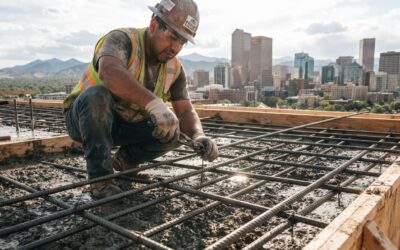
Incorporate proper reinforcement with rebar to enhance strength, and contemplate using moisture barriers to prevent water damage.
Employing a concrete mix designed for Denver’s climate will also improve durability.
Finally, schedule inspections throughout the process to ensure compliance with local codes and standards, safeguarding your investment against potential issues down the line.
Frequently Asked Questions
How Does Soil Type Affect Drainage in Concrete Foundations?
Soil type greatly affects drainage in concrete foundations.
If you’ve got clay, water drains slowly, increasing the risk of damage.
Sandy soil allows for better drainage, reducing moisture buildup and protecting your foundation’s integrity.
What Are the Signs of Poor Foundation Due to Soil Issues?
You’ll notice signs of poor foundation like cracks in walls, uneven floors, doors that stick, or gaps around windows.
These issues often indicate soil problems beneath your foundation, affecting stability and overall structural integrity.
Can Soil Type Impact the Cost of Foundation Construction?
Yes, soil type can greatly impact foundation construction costs.
When you encounter challenging soil conditions, you might need additional engineering solutions, which can increase expenses.
It’s essential to assess soil before starting your project to budget effectively.
How Do Seasonal Changes Affect Denver Soil Stability?
Seasonal changes can cause soil in Denver to expand or contract, affecting its stability.
You’ll notice that moisture levels, temperature fluctuations, and freeze-thaw cycles play vital roles in how well the soil supports your foundation.
Are There Specific Plants That Help Improve Soil Stability?
Yes, certain plants like deep-rooted grasses, clover, and native shrubs improve soil stability.
They enhance soil structure, prevent erosion, and promote moisture retention, making your landscape healthier and more resilient to seasonal changes.
Conclusion
In conclusion, knowing Denver’s soil types is crucial for ensuring strong concrete foundations. Clay can expand and contract, sandy soil drains well but may shift, and gravel provides stability. By understanding these characteristics, you can make informed decisions during construction. Always consult with professionals who can assess your specific site conditions. With the right preparation and practices in place, you’ll help ensure your foundation stands the test of time, no matter what Denver’s weather throws at it.