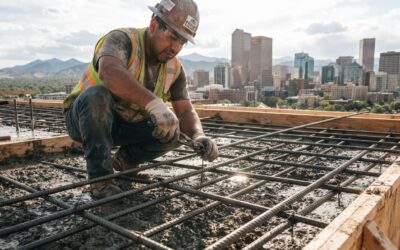
When you consider the commercial construction landscape in Denver, you can’t overlook the crucial role concrete contractors play in shaping it. They’re responsible for everything from assessing site conditions to ensuring that each pour meets stringent local codes. With the unique challenges of fluctuating material costs and evolving design demands, their expertise becomes even more essential. But what innovative techniques are these contractors adopting to stay ahead, and how are they navigating the complexities of modern construction projects? Exploring these aspects reveals much about the future of commercial construction in the area.
Importance of Concrete in Construction
Concrete plays a crucial role in construction, and you mightn’t realize just how integral it’s to the durability and stability of buildings.
Its strength and versatility make it a top choice for various structural elements, from foundations to walls and floors. You’ll find that concrete’s resistance to weathering, fire, and pests significantly enhances your building’s longevity.
Plus, it can be molded into various shapes and sizes, allowing for creative designs without compromising strength. When you choose concrete, you’re investing in a sturdy, low-maintenance material that can withstand heavy loads and environmental stresses.
Ultimately, understanding the importance of concrete helps you appreciate its value in creating safe and reliable structures that stand the test of time.
Key Responsibilities of Concrete Contractors
When hiring concrete contractors, it’s essential to understand their key responsibilities to ensure your project runs smoothly.
They’re primarily responsible for assessing your project’s needs, including design plans and specifications. You can expect them to provide accurate estimates, detailing materials and labor costs.
Once on-site, they’ll manage the pouring, setting, and finishing of concrete, ensuring it meets industry standards. Concrete contractors also oversee site preparation and maintain safety protocols to protect workers and the environment.
They’re responsible for scheduling deliveries and coordinating with other trades to avoid delays. Finally, they’ll conduct quality checks, ensuring the finished product aligns with your vision and local building codes.
Understanding these responsibilities helps you collaborate effectively for a successful outcome.
Techniques and Innovations in Concrete
In recent years, the construction industry has seen remarkable advancements in concrete techniques and innovations that enhance durability and efficiency.
You’ll find that the use of high-performance concrete allows for stronger structures with reduced maintenance needs. Moreover, incorporating additives like silica fume and fly ash improves workability and sustainability.
Another exciting trend is the development of self-healing concrete, which can repair its cracks autonomously, extending the lifespan of your projects.
Additionally, 3D printing technology is revolutionizing how concrete structures are built, allowing for quicker and more precise construction.
By integrating smart materials, you can also create concrete that responds to environmental changes, ensuring optimal performance.
Embracing these innovations can significantly elevate your commercial construction projects.
Challenges Faced by Contractors
What challenges do contractors face in the ever-evolving landscape of commercial construction?
First, you’ll encounter fluctuating material costs that can strain budgets and timelines. Securing reliable suppliers often becomes a juggling act as demand shifts.
Then there’s the labor shortage; finding skilled workers can feel like searching for a needle in a haystack.
Additionally, you must navigate complex regulations and building codes, which can vary widely by location.
Weather conditions also pose a challenge, often delaying projects and increasing costs.
Lastly, managing client expectations while maintaining quality can be daunting.
Staying adaptable and proactive is crucial in overcoming these hurdles, ensuring that your projects stay on track and meet the high standards expected in today’s competitive market.
Future Trends in Commercial Concrete Work
As you look ahead in commercial concrete work, several trends are shaping the industry.
First, sustainable practices are gaining traction, with eco-friendly materials and techniques becoming essential. You’ll find that many contractors are focusing on reducing their carbon footprint while enhancing durability.
Second, technology is revolutionizing the way projects are managed. Drones, 3D printing, and BIM (Building Information Modeling) streamline processes and improve accuracy.
You may also notice an increased demand for decorative concrete, as aesthetics play a crucial role in commercial spaces.
Lastly, modular construction is on the rise, allowing for faster project completion.
Embracing these trends won’t only improve efficiency but also position you as a forward-thinking leader in commercial construction.
Frequently Asked Questions
How Do I Choose a Reliable Concrete Contractor in Denver?
To choose a reliable concrete contractor in Denver, research local reviews, ask for referrals, check credentials, and request detailed estimates.
Meeting potential contractors in person can also help you gauge their professionalism and expertise.
What Is the Average Cost of Commercial Concrete Work?
The average cost of commercial concrete work varies widely, typically ranging from $100 to $150 per cubic yard.
Factors like project size, complexity, and location significantly influence these prices, so get multiple quotes for accuracy.
How Long Does a Typical Concrete Project Take to Complete?
A typical concrete project usually takes about one to three weeks to complete, depending on size and complexity.
You’ll need to factor in curing time, weather conditions, and any necessary permits that might delay progress.
Are There Specific Permits Required for Concrete Construction in Denver?
Yes, you’ll need specific permits for concrete construction in Denver.
Typically, you must obtain building and zoning permits, ensuring compliance with local regulations.
It’s always best to check with the city for the latest requirements.
What Warranties Do Concrete Contractors Typically Offer on Their Work?
Concrete contractors typically offer warranties ranging from one to five years on workmanship and materials.
You’ll want to inquire about specific coverage details, as they can vary significantly among contractors and projects.
Always read the fine print!
Conclusion
In conclusion, concrete contractors in Denver are crucial to the success of commercial construction projects. Their expertise ensures that structures are not only durable but also meet modern standards and regulations. By embracing innovative techniques and overcoming challenges, they play a significant role in shaping the city’s skyline. As you consider your next construction project, partnering with skilled concrete contractors will help you achieve quality results and contribute to Denver’s growth and sustainability.