When you’re deciding between concrete and asphalt for your Denver driveway, it’s essential to weigh factors like climate, cost, and maintenance. Local contractors can provide valuable insights on how each material performs in our unique weather conditions, helping you make an informed choice. While concrete offers long-lasting durability and aesthetic flexibility, asphalt appeals with its affordability and quicker installation. However, each option comes with its own set of considerations that could impact your decision. So, what aspects should you prioritize to ensure your driveway meets your needs?
Local Climate Considerations
When it comes to choosing between concrete and asphalt for your driveway, local climate plays a crucial role in your decision.
If you live in a region with extreme temperatures, like Denver, both materials have their pros and cons.
Concrete tends to withstand intense heat and cold better, resisting cracks and surface damage. However, it can be susceptible to freeze-thaw cycles, which may cause issues over time.
On the other hand, asphalt is more flexible, allowing it to expand and contract with temperature changes. This flexibility can help it resist cracking in colder months, but it may require regular maintenance and sealing to keep it in top shape.
Ultimately, understanding your local climate will guide you toward the best choice for your driveway.
Cost Analysis of Materials
Understanding the cost differences between concrete and asphalt is essential for making an informed driveway choice.
Generally, asphalt is more budget-friendly, costing around $3 to $5 per square foot, while concrete usually ranges from $6 to $10 per square foot. Your decision may also depend on the size of your driveway; larger areas can amplify the cost differences.
Installation costs vary too—asphalt drives can be quicker to install, potentially saving you on labor expenses.
Additionally, consider the long-term costs: while asphalt may require more frequent sealing and repairs, concrete’s initial investment might pay off over time.
Evaluate your budget and future maintenance needs to choose the most cost-effective option for your Denver driveway.
Durability and Maintenance
Cost considerations play a significant role in your driveway decision, but durability and maintenance are equally important.
When you think about durability, concrete generally outlasts asphalt, often lasting 30 years or more with proper care. Asphalt, while cheaper upfront, typically lasts 15 to 20 years and may require more frequent repairs.
Regarding maintenance, concrete is relatively low-maintenance, needing sealing every few years to prevent cracks. Asphalt, on the other hand, requires regular sealing, usually every 3 to 5 years, to keep it in good shape.
It’s essential to consider your climate, as harsh winters can affect both materials. Ultimately, understanding the durability and maintenance needs helps you choose the best option for your lifestyle and budget.
Aesthetic Options Available
A variety of aesthetic options are available when choosing between concrete and asphalt for your driveway.
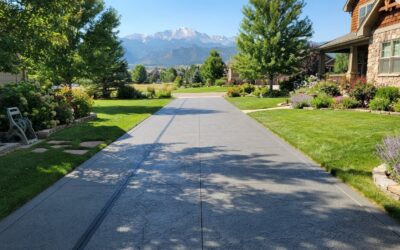
Concrete offers a sleek and modern look, and you can customize it with various textures, colors, and patterns. Stamped concrete, for example, mimics the appearance of brick or stone, giving your driveway a unique flair.
On the other hand, asphalt typically has a more traditional appearance, but you can enhance its look with decorative aggregate or colored sealants.
While asphalt’s color options are limited, its smooth black surface can provide a classic contrast to your home’s exterior.
Ultimately, the choice depends on your personal style and how you want your driveway to complement your property’s overall aesthetic.
Contractor Recommendations and Insights
When selecting a contractor for your driveway installation, it’s crucial to prioritize experience and reputation. Look for contractors who’ve successfully completed numerous concrete and asphalt projects in Denver.
Read reviews and ask for recommendations from friends or neighbors who’ve had similar work done. Don’t hesitate to request portfolios showcasing past projects.
Additionally, ensure they provide detailed estimates and timelines. A good contractor will clearly explain the pros and cons of both materials and help you choose the best option for your needs.
Communication is key—choose someone who listens to your concerns and answers your questions promptly.
Frequently Asked Questions
How Long Does Each Material Take to Install?
When it comes to installation, concrete usually takes about 1-3 days, while asphalt can be completed in just a few hours.
Both depend on weather conditions and project size, so plan accordingly for best results.
What Are the Eco-Friendliness Ratings of Concrete and Asphalt?
When considering eco-friendliness, concrete generally has a lower carbon footprint due to its durability, while asphalt can be recycled more easily.
You’ll want to weigh these factors based on your personal values and environmental concerns.
Are There Any Specific Local Regulations for Driveway Materials?
You should check local regulations regarding driveway materials, as they can vary.
Cities often have guidelines on acceptable materials, installation practices, and drainage requirements.
It’s best to consult your local planning department for specifics.
What Is the Best Time of Year for Installation?
The best time for installation is late spring to early fall.
During these months, temperatures are warmer, allowing materials to set properly.
Avoid winter’s freezing temperatures and spring’s heavy rains for optimal results and durability.
How Can I Improve Drainage for My Driveway?
To improve drainage for your driveway, you can install a French drain, slope the surface away from your home, and use permeable materials.
Regularly clean gutters and downspouts to prevent water buildup and overflow.
Conclusion
In summary, choosing between concrete and asphalt for your Denver driveway boils down to your priorities. If you value durability and design options, concrete might be the way to go. However, if you’re looking for a budget-friendly and quicker solution, asphalt could be ideal. Don’t forget to consult with local contractors who understand Denver’s climate to ensure you make the best decision for your home. With the right choice, your driveway will serve you well for years to come.