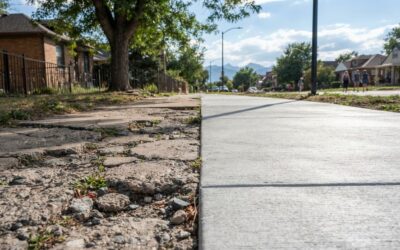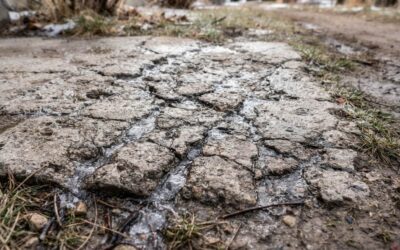
Proper rebar placement is crucial for extending the lifespan of your concrete projects in Denver. It provides essential support against tension and shear forces, helping to prevent cracking under the city’s unpredictable climate. Techniques like the grid and staggered methods guarantee uniform strength and load distribution. Plus, following best practices like maintaining adequate cover protects against corrosion. Understanding these factors will enhance your concrete structure’s durability and performance, leading to more resilient projects over time. You’ll soon discover more tips.
The Importance of Rebar in Concrete Structures
When you think about concrete structures, you mightn’t realize how important rebar is to their integrity. This steel reinforcement helps concrete withstand tension and shear forces, which are crucial for durability.
Without rebar, your concrete could crack, crumble, or fail under stress. It’s not just about aesthetics; rebar enhances the overall strength and lifespan of your projects.
By incorporating rebar, you guarantee that your structures can handle environmental factors, like temperature fluctuations and heavy loads.
Ultimately, using rebar means investing in safety and longevity, making it an indispensable component in any successful concrete construction.
Common Rebar Placement Techniques
Proper rebar placement is essential for guaranteeing the strength and stability of concrete structures. You can use several common techniques to achieve ideal results.
First, consider the “grid” method, where bars are laid in a grid pattern, providing uniform support.
Next, the “staggered” technique involves offsetting rebar to enhance load distribution.
You might also opt for “vertical” and “horizontal” placements to reinforce specific areas, especially for walls and beams.
Finally, guarantee adequate cover by placing rebar a few inches from the concrete surface, protecting it from corrosion and enhancing durability.
Following these techniques will help maximize your concrete’s lifespan.
Effects of Denver’s Climate on Concrete Durability
Rebar placement techniques are just one factor in guaranteeing concrete structures withstand various environmental challenges.
In Denver, the climate can be harsh, with significant temperature swings and low humidity. These conditions can lead to rapid drying and cracking if the concrete isn’t properly cured.
Additionally, snow and ice can introduce freeze-thaw cycles that stress the material. You need to be aware of these effects when planning your projects.
Using quality materials and proper rebar placement helps mitigate these risks, enhancing durability.
Ultimately, understanding Denver’s climate guarantees your concrete lasts longer and performs better in the face of these challenges.
Best Practices for Rebar Installation
To guarantee your concrete structures are strong and durable, adhering to best practices for rebar installation is essential.
Start by selecting the right type and grade of rebar for your project. Properly space and position the rebar according to engineering specifications, making sure it’s elevated from the ground to prevent corrosion.
Use rebar ties to secure intersections, maintaining alignment and preventing movement during pouring. Additionally, verify adequate concrete cover over the rebar to enhance protection.
Finally, double-check your installation before the concrete is poured to catch any mistakes early. Following these practices helps ensure the longevity of your concrete structures.
Long-Term Benefits of Proper Rebar Placement
When you guarantee that rebar is placed correctly, you set the foundation for a concrete structure that withstands the test of time.
Proper placement enhances the overall strength and durability of your project, reducing the risk of cracks and structural failures. This not only saves you repair costs in the long run but also increases the safety of the structure.
Additionally, well-placed rebar helps your concrete resist environmental factors, like freeze-thaw cycles common in Denver.
Ultimately, investing time in proper rebar installation pays off with a longer lifespan, guaranteeing your concrete remains reliable and robust for years to come.
Frequently Asked Questions
How Does Rebar Placement Impact Concrete Cracking?
Rebar placement directly impacts concrete cracking by providing necessary tensile strength.
When you position rebar correctly, it evenly distributes stress, reducing the likelihood of cracks and enhancing the overall durability of your concrete structure.
Can Rebar Placement Techniques Vary by Project Type?
Yes, rebar placement techniques can vary by project type.
You’ll need to take into account factors like load requirements, environmental conditions, and structural design, ensuring the rebar is positioned effectively to enhance concrete strength and durability.
What Is the Cost Difference Between Proper and Improper Rebar Placement?
Improper rebar placement can lead to costly repairs and early failures, often doubling expenses over time.
In contrast, proper placement may seem pricier upfront but ultimately saves you money by enhancing durability and reducing maintenance needs.
Are There Specific Rebar Materials Recommended for Denver’s Climate?
For Denver’s climate, you should use epoxy-coated rebar or stainless steel rebar.
These materials resist corrosion from moisture and de-icing salts, ensuring your concrete structures endure the area’s harsh weather conditions effectively.
How Often Should Concrete With Rebar Be Inspected?
You should inspect concrete with rebar at least once a year.
Regular checks help catch any potential issues early, ensuring your structure remains strong and durable, especially in challenging climates like Denver’s.
Conclusion
In conclusion, proper rebar placement is crucial for the longevity of concrete in Denver projects. By understanding the importance of rebar and implementing best practices, you can significantly enhance your structure’s durability, especially in the face of Denver’s challenging climate. Remember, investing time and effort into correct installation now will pay off in the long run, ensuring your concrete withstands the test of time and remains strong for years to come.