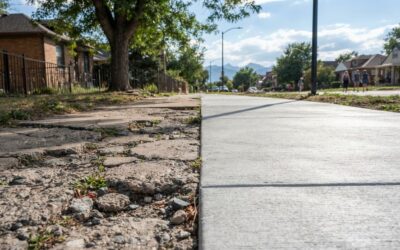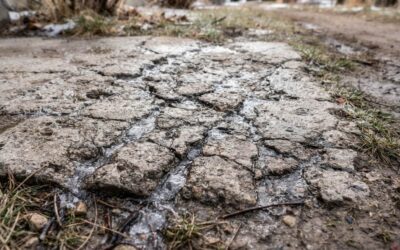
In the Denver metro area, urban concrete faces heavy traffic and harsh weather, leading to rapid deterioration. Pollution and vibrations from construction add to the strain on these surfaces. In contrast, suburban concrete deals with cracking, spalling, and damage from tree roots, as well as challenges from improper snow removal. Regular inspections help mitigate these issues, and there are sustainable options to contemplate for both areas. There’s much more to explore on how these challenges can be addressed effectively.
Urban Concrete Durability Issues
While urban environments offer vibrant lifestyles, they also present unique challenges for concrete durability. You’ll notice factors like heavy traffic, which can lead to increased wear and tear on your concrete surfaces.
Additionally, the constant exposure to harsh weather conditions, pollution, and deicing chemicals can contribute to quicker deterioration. Urban construction activities further exacerbate these issues, as vibrations and heavy machinery impact existing concrete structures.
To guarantee longevity, you’ll need to prioritize regular inspections and maintenance. By staying proactive, you can mitigate damage and keep your concrete in prime condition, allowing you to fully enjoy the dynamic urban landscape.
Suburban Concrete Maintenance Challenges
Although suburban areas often seem quieter than their urban counterparts, they come with their own set of concrete maintenance challenges.
You might face issues like cracking, spalling, and uneven surfaces due to temperature fluctuations and moisture. Regular inspections are vital since neglect can lead to costly repairs.
Additionally, tree roots can cause significant damage, pushing up sidewalks and driveways.
You’ll also need to take into account snow removal, as improper techniques can harm the concrete.
Balancing aesthetic appeal with durability is essential, so staying proactive with maintenance will help you preserve the integrity and look of your suburban concrete structures.
Infrastructure Strain in Urban Areas
As urban populations continue to grow, the strain on concrete infrastructure becomes increasingly evident.
You might notice cracked sidewalks, uneven streets, and crumbling bridges as more people rely on these systems daily. Heavy traffic loads, combined with weather-related wear and tear, accelerate the deterioration of concrete surfaces.
This strain affects not just transportation but also utilities and public spaces, leading to potential safety hazards. If you live in an urban area, you may find traffic congestion worsening as infrastructure struggles to keep up.
Addressing these issues requires immediate attention and innovative solutions to guarantee a safe, reliable urban environment.
Sustainable Concrete Solutions for Suburbs
To create sustainable concrete solutions in suburban areas, communities must prioritize environmentally friendly materials and practices.
You can explore using recycled aggregates, which reduce waste and lower the carbon footprint of new concrete. Opting for low-emission concrete mixes helps minimize greenhouse gas emissions during production.
Additionally, incorporating permeable concrete in driveways and walkways allows for better water management, reducing runoff. Implementing local sourcing of materials supports the economy and cuts transportation-related emissions.
Finally, engaging in community education about the benefits of sustainable practices fosters a culture of environmental responsibility, ensuring lasting impacts on both the community and ecosystem.
Balancing Aesthetics and Functionality in Concrete Design
When designing concrete elements, you need to strike a careful balance between aesthetics and functionality. It’s essential to create visually appealing surfaces that complement the surrounding environment while guaranteeing durability and performance.
Consider factors like color, texture, and shape to enhance the beauty of your concrete installations. However, never compromise on practicality; make certain that your designs can withstand weather elements, foot traffic, and heavy loads.
Frequently Asked Questions
How Does Weather Impact Concrete Performance in Urban Versus Suburban Settings?
Weather affects concrete performance by causing temperature fluctuations, moisture variations, and freeze-thaw cycles.
In urban settings, heat islands can exacerbate these effects, while suburban areas might experience more stable conditions, leading to differing durability outcomes.
What Are the Costs Associated With Concrete Repairs in Different Areas?
Repair costs for concrete can vary considerably based on location.
You’ll find urban areas often charge more due to higher labor rates and material costs, while suburban regions might offer more competitive pricing and accessibility.
Are There Specific Regulations for Concrete Use in Urban Environments?
Yes, there’re specific regulations for concrete use in urban environments.
You must comply with local building codes, zoning laws, and environmental guidelines to guarantee safety, durability, and minimal impact on surrounding areas during construction and maintenance.
How Does Traffic Volume Affect Concrete Wear and Tear?
High traffic volume accelerates concrete wear and tear due to increased pressure and friction.
As vehicles pass over, cracks and surface damage develop faster, leading to more frequent repairs and reduced lifespan of the concrete.
What Innovations Are Emerging in Concrete Technology for Urban Areas?
You’ll find innovations like self-healing concrete, advanced additives for durability, and smart sensors monitoring stress and temperature.
These technologies enhance longevity and performance, reducing maintenance costs and improving safety in bustling urban environments.
Conclusion
In navigating the concrete challenges of the Denver metro area, you’ll find that both urban and suburban environments present unique issues. Urban areas struggle with durability and infrastructure strain, while suburbs face maintenance hurdles. By embracing sustainable solutions and balancing aesthetics with functionality, you can enhance the longevity and appeal of concrete in both settings. Ultimately, understanding these differences will help you make informed decisions for effective concrete management, ensuring your projects stand the test of time.