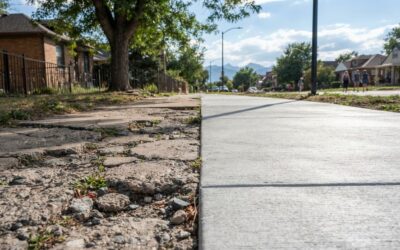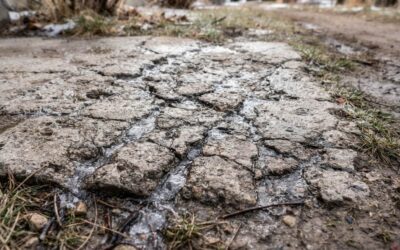
Concrete cracks faster in some Denver neighborhoods due to varying soil types, temperature fluctuations, and drainage conditions. Expansive clay can swell or shrink, creating pressure on foundations. High temperatures can lead to rapid setting, while cold weather can slow curing and cause cracking. Poor water drainage weakens structures over time. Additionally, urban development affects these factors. Understanding these influences can help you grasp the differences in concrete integrity across neighborhoods. There’s much more to explore on this!
Soil Composition and Its Impact on Concrete Integrity
When it comes to concrete integrity, soil composition plays an essential role that often gets overlooked.
You mightn’t realize that the type of soil beneath your concrete slab can greatly influence its stability. Expansive clay, for instance, swells when wet and shrinks when dry, creating pressure on your foundation.
Sandy soils drain quickly, but they can also shift, leading to uneven settling. Understanding your soil’s composition helps you make informed decisions about foundation design and drainage solutions.
Temperature Fluctuations and Their Effects on Curing
Temperature fluctuations can greatly affect the curing process of concrete, making it essential to monitor conditions during placement.
When temperatures rise, concrete can set too quickly, leading to incomplete hydration and weak bonds. Conversely, cold temperatures slow the curing process, which can cause freezing and cracking.
You need to guarantee that your concrete remains within ideal temperature ranges, ideally between 50°F and 90°F.
Utilizing blankets or heaters in cold weather and shade or retarders in hot weather can help maintain stability.
Construction Practices and Quality Control
While it’s easy to overlook the details of construction practices, maintaining high-quality standards is essential to prevent concrete cracking.
You should guarantee that workers are well-trained in proper mixing, pouring, and curing methods. Pay attention to the materials used; low-quality aggregates and cement can compromise strength.
Regular inspections during the construction process help catch issues early, like improper thickness or inadequate reinforcement. Communication among contractors, engineers, and laborers is key to maintaining consistency.
Water Drainage and Its Role in Concrete Longevity
Effective water drainage is essential for the longevity of concrete structures, as improper management can lead to significant damage over time.
When water accumulates around your concrete, it weakens the foundation, promoting cracks and erosion. You might notice that neighborhoods with poor drainage systems face more issues, as water seeps into the concrete, causing it to expand and contract.
Maintaining proper slopes and installing drainage systems can help channel water away from your concrete surfaces.
Urban Development and Environmental Factors
As urban development continues to reshape Denver’s neighborhoods, environmental factors play a significant role in the integrity of concrete structures.
You might notice that areas with heavy traffic or insufficient green spaces often experience more cracking. Urban heat islands, created by concrete and asphalt, can exacerbate temperature fluctuations, leading to quicker deterioration.
Meanwhile, soil conditions and water drainage vary across neighborhoods, affecting how concrete settles and withstands stress.
Frequently Asked Questions
How Can Homeowners Prevent Concrete Cracking in Their Driveways?
To prevent concrete cracking in your driveway, guarantee proper drainage, use high-quality materials, apply sealants, control moisture levels, and consider expansion joints.
Regular maintenance and timely repairs can also help extend your concrete’s lifespan.
What Are Common Signs of Concrete Damage to Watch For?
You should watch for cracks, uneven surfaces, discoloration, and chipping.
If you notice any of these signs, it’s essential to address them early to prevent further damage and maintain your driveway’s integrity.
Does the Age of Concrete Affect Its Cracking Susceptibility?
Yes, the age of concrete does affect its cracking susceptibility.
As it ages, it can lose strength and flexibility, making it more prone to cracking under stress, temperature changes, or environmental factors.
Can Landscaping Choices Influence Concrete Durability?
Yes, your landscaping choices can influence concrete durability.
Planting trees too close can cause root issues, while proper drainage systems can prevent water accumulation.
Thoughtful landscaping helps protect your concrete from unnecessary stress and damage.
How Often Should Concrete Be Inspected for Maintenance?
You should inspect concrete at least once a year, checking for cracks, uneven surfaces, or discoloration.
Regular maintenance helps you catch issues early, ensuring your concrete lasts longer and remains safe for use.
Conclusion
In some Denver neighborhoods, concrete cracks faster due to a mix of soil composition, temperature shifts, and varying construction practices. Poor drainage can exacerbate these issues, leading to quicker deterioration. By understanding these factors, you can make informed choices about concrete placement and maintenance in your area. Prioritizing quality construction and proper drainage can significantly enhance the longevity of your concrete, ensuring it stands strong against the challenges posed by local conditions.