As a Denver homeowner, you might have noticed some common concrete issues that can affect the safety and aesthetics of your property, like cracked driveways or uneven patios. It’s important to address these problems promptly, as they can worsen over time. Contractors have effective solutions to tackle each of these challenges, but knowing what to look for is crucial. Let’s explore how you can identify these issues and the best methods contractors use to fix them, ensuring your home remains both functional and appealing.
Cracked Driveways
Many homeowners in Denver face the frustrating issue of cracked driveways. These cracks often result from temperature fluctuations, moisture changes, and the natural settling of soil.
You might notice small hairline fractures or larger, more concerning breaks. Ignoring them could lead to further damage, including potholes or uneven surfaces that could pose safety hazards.
To tackle this problem, you should consider sealing the cracks promptly. A professional contractor can assess the severity and recommend the best repair methods, whether it’s patching, resurfacing, or replacing sections of your driveway.
Regular maintenance, like sealing, can extend your driveway’s life and keep it looking good. Don’t let cracks ruin your home’s curb appeal—address them before they worsen.
Uneven Patios
Cracked driveways aren’t the only concrete issue homeowners in Denver face. Uneven patios can be a major nuisance, affecting your outdoor enjoyment and even posing safety hazards.
Over time, factors like soil erosion, improper drainage, or tree root growth can lead to these unsightly and troublesome surfaces. You might notice water pooling in certain areas, making it difficult to host gatherings or simply relax outside.
Addressing uneven patios often requires professional intervention. Contractors can assess the underlying causes and may recommend solutions like mudjacking to lift and level the concrete or replacing the affected sections entirely.
Sunken Sidewalks
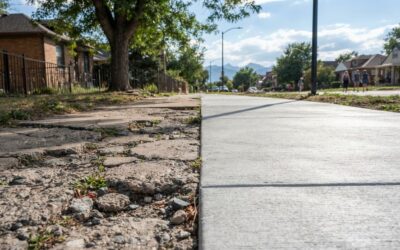
Sunken sidewalks can create a host of problems for homeowners in Denver, making navigation tricky and posing potential hazards.
You might notice uneven surfaces that can lead to trips and falls, especially for children or elderly visitors. Water can also collect in these low spots, causing further damage and inviting pests.
If left unaddressed, these issues can worsen over time, affecting your home’s curb appeal and safety.
Fortunately, contractors can help you fix sunken sidewalks through methods like mudjacking or slab jacking, which raise the concrete back to its original level.
It’s essential to act quickly to prevent further deterioration and ensure a safe environment for everyone.
Don’t wait too long—addressing the problem now can save you time and money later.
Spalling Concrete
Spalling concrete is a common issue for homeowners in Denver, and it can seriously detract from the appearance and integrity of your property.
This problem occurs when the surface of your concrete starts to flake or chip away, often due to freeze-thaw cycles or improper curing. You might notice unsightly cracks or pitting, which can expose the underlying aggregate and lead to further deterioration.
To address spalling, you should first identify the underlying cause, like moisture infiltration. A qualified contractor can then recommend solutions such as resurfacing the affected area or applying sealants to protect against future damage.
Taking prompt action can help restore your concrete’s durability and enhance your home’s overall aesthetic.
Water Drainage Issues
Water drainage issues frequently plague homeowners in Denver, leading to significant problems if left unaddressed.
Poor drainage can cause water to pool around your foundation, increasing the risk of cracks and structural damage. If you notice water collecting near your home, it’s crucial to act quickly.
You may need to install or repair gutters, downspouts, and extensions to direct water away from your foundation. Additionally, grading your yard can help ensure proper water flow.
If problems persist, consider consulting a contractor. They can assess your situation and recommend solutions like French drains or sump pumps to effectively manage excess water.
Addressing drainage issues now will save you from costly repairs down the line.
Frequently Asked Questions
How Can I Prevent Concrete Problems in My Home?
To prevent concrete problems in your home, ensure proper drainage, use high-quality materials, seal surfaces regularly, and monitor for cracks.
Regular maintenance helps you identify issues early, keeping your concrete in great shape.
What Is the Lifespan of Typical Concrete Installations?
Typical concrete installations last around 25 to 30 years, depending on factors like quality, weather, and maintenance.
You can extend that lifespan by ensuring proper installation and regular upkeep throughout the years.
Are There Eco-Friendly Concrete Solutions Available?
Yes, there are eco-friendly concrete solutions available.
You can explore options like recycled aggregates, fly ash, or even pervious concrete, which help reduce environmental impact while maintaining durability and performance for your projects.
How Do Temperature Fluctuations Affect Concrete Durability?
Temperature fluctuations can cause concrete to expand and contract, which may lead to cracking and reduced durability.
You’ll want to ensure proper installation and maintenance to mitigate these effects and prolong your concrete’s lifespan.
What Maintenance Should I Perform on My Concrete Surfaces?
You should regularly clean your concrete surfaces, seal them every few years, and inspect for cracks or damage.
Keeping them clear of debris and moisture will help maintain their appearance and durability over time.
Conclusion
In Denver, addressing concrete issues like cracked driveways or uneven patios is crucial for maintaining your home’s value and safety. By working with experienced contractors, you can quickly resolve these problems through effective solutions like patching, mudjacking, or resurfacing. Don’t let spalling concrete or poor drainage disrupt your outdoor space. Take action now to ensure your home’s concrete surfaces remain in top shape, protecting both your investment and your family’s well-being.