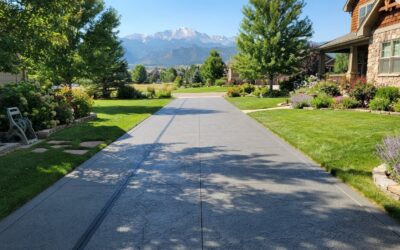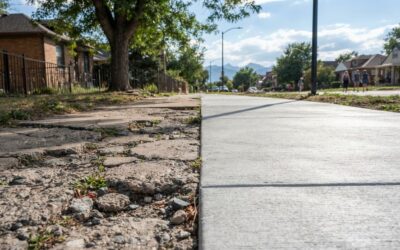
When deciding between stamped and stained concrete for your Denver property, think about your style and maintenance preferences. Stamped concrete offers a textured, three-dimensional look, ideal for patios, while stained concrete infuses vibrant color with a sleek finish. Stamped is generally more durable for heavy foot traffic, but stained requires less upkeep. Both options can enhance your space beautifully. Explore more details to find the perfect fit for your home and lifestyle.
Understanding Stamped Concrete
Stamped concrete is a popular choice for those looking to enhance the aesthetic appeal of their outdoor spaces.
This technique allows you to mimic the look of natural materials like stone or brick at a fraction of the cost. You can customize patterns, textures, and colors, giving your patio or walkway a unique flair.
The process involves pouring concrete, applying a color release agent, and then stamping it with molds before it sets. Once sealed, stamped concrete isn’t only visually striking but also durable and low-maintenance.
It’s an excellent option if you want beauty without compromising functionality.
Exploring Stained Concrete
When it comes to enhancing concrete surfaces, stained concrete offers a versatile and vibrant option. This method allows you to infuse color into your concrete, creating stunning visuals that can complement any property style.
You can choose from a wide range of colors and finishes, whether you prefer a translucent look or a more opaque finish. Staining not only enhances aesthetic appeal but also highlights the unique textures of your concrete.
It’s ideal for both indoor and outdoor spaces, giving you the flexibility to express your personal style while improving your property’s overall appearance. Consider stained concrete for an enthralling upgrade!
Comparing Durability and Maintenance
Stained concrete enhances the visual appeal of your surfaces, but it’s also important to evaluate how it stacks up against stamped concrete regarding durability and maintenance.
Stamped concrete is generally more durable, as its textured surface can withstand heavy foot traffic and harsh weather conditions better than stained options.
However, stained concrete requires less upkeep, needing only occasional sealing to maintain its appearance.
Both choices can last a long time with proper care, but if you prioritize resilience, stamped concrete may be your best bet.
Ultimately, assess your lifestyle and maintenance preferences when making your decision.
Aesthetic Considerations
Choosing between stamped and stained concrete often comes down to the aesthetic appeal you desire for your space.
Stamped concrete offers a textured, three-dimensional look that can mimic natural stone, brick, or tile, making it ideal for adding character to patios and walkways.
On the other hand, stained concrete provides a smooth, sleek finish with rich colors that enhance your existing concrete’s beauty.
If you prefer a more subtle, refined appearance, stained options might be your best bet.
Ultimately, consider your property’s style, personal taste, and how each option complements your overall design vision before making a decision.
Cost Analysis and Value
The cost of stamped and stained concrete can greatly influence your decision-making process.
Stamped concrete typically falls on the higher end of the price spectrum due to its intricate designs and installation techniques, averaging $12 to $20 per square foot.
Conversely, stained concrete is generally more budget-friendly, ranging from $7 to $15 per square foot.
While stamped options offer unique aesthetics, stained concrete provides a more cost-effective solution with a variety of colors.
Consider not just the initial investment, but also the long-term value and maintenance expenses when choosing the best option for your Denver property.
Frequently Asked Questions
Can Stamped or Stained Concrete Be Repaired if Damaged?
Yes, stamped or stained concrete can be repaired if damaged.
You can often patch cracks, re-stain areas, or even re-stamp the surface to restore its original look, ensuring your concrete remains beautiful and functional.
How Long Does Installation Typically Take for Each Option?
Installation typically takes one to three days, depending on the complexity of the design and the area’s size.
Stamped concrete might require extra time for curing, while stained concrete generally has a quicker turnaround.
Are There Specific Weather Conditions to Avoid During Installation?
Yes, you should avoid installing concrete during extreme temperatures, heavy rain, or high humidity.
These conditions can compromise the curing process, leading to cracks or an uneven surface.
Plan your installation for mild, dry weather instead.
What Is the Lifespan of Stamped vs. Stained Concrete?
Stamped concrete typically lasts 25 to 30 years, while stained concrete can last around 10 to 20 years, depending on maintenance.
You’ll want to reflect on your needs and environment when making a choice.
Can I Apply Stained Concrete Over Existing Flooring?
Yes, you can apply stained concrete over existing flooring.
Just guarantee the surface is clean, well-prepared, and suitable for staining.
It’ll enhance your space’s look while providing a fresh, vibrant finish.
Conclusion
In the end, choosing between stamped and stained concrete for your Denver property boils down to your personal style and practical needs. If you’re after intricate designs and patterns, stamped concrete might be your best bet. On the other hand, if you prefer a more natural look with vibrant colors, stained concrete could be the way to go. Whichever option you choose, both can enhance your space and add value to your home. Make a choice that reflects you!